

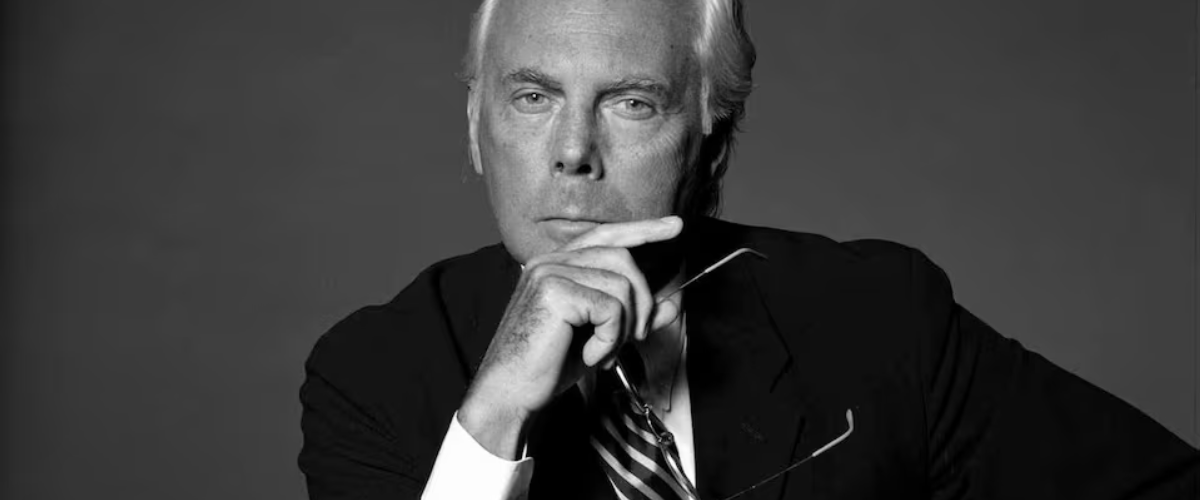
The fashion world is mourning the loss of Giorgio Armani, the celebrated Italian designer who changed how we think about clothes. He was 91 years old and passed away at his home in Milan. Armani was more than just a designer; he built an empire based on a simple idea: that true elegance is about quiet confidence, not loud statements.
His legacy is not just in the clothes he made, but in the effortless style he gave to so many. He died “peacefully at home, surrounded by his loved ones,” according to a statement from his fashion house. The statement also noted he was “indefatigable to the end,” having worked up until his final days.
“In this company, we have always felt like part of a family,” his employees and his family stated on Thursday. “Today, with deep emotion, we feel the void left by the one who founded and nurtured this family with vision, passion and dedication. But it is precisely in his spirit that we, the employees and the family members who have always worked alongside Mr. Armani, commit to protecting what he built and to carrying his company forward in his memory, with respect, responsibility and love.”
Early Life and an Unconventional Path to an Empire
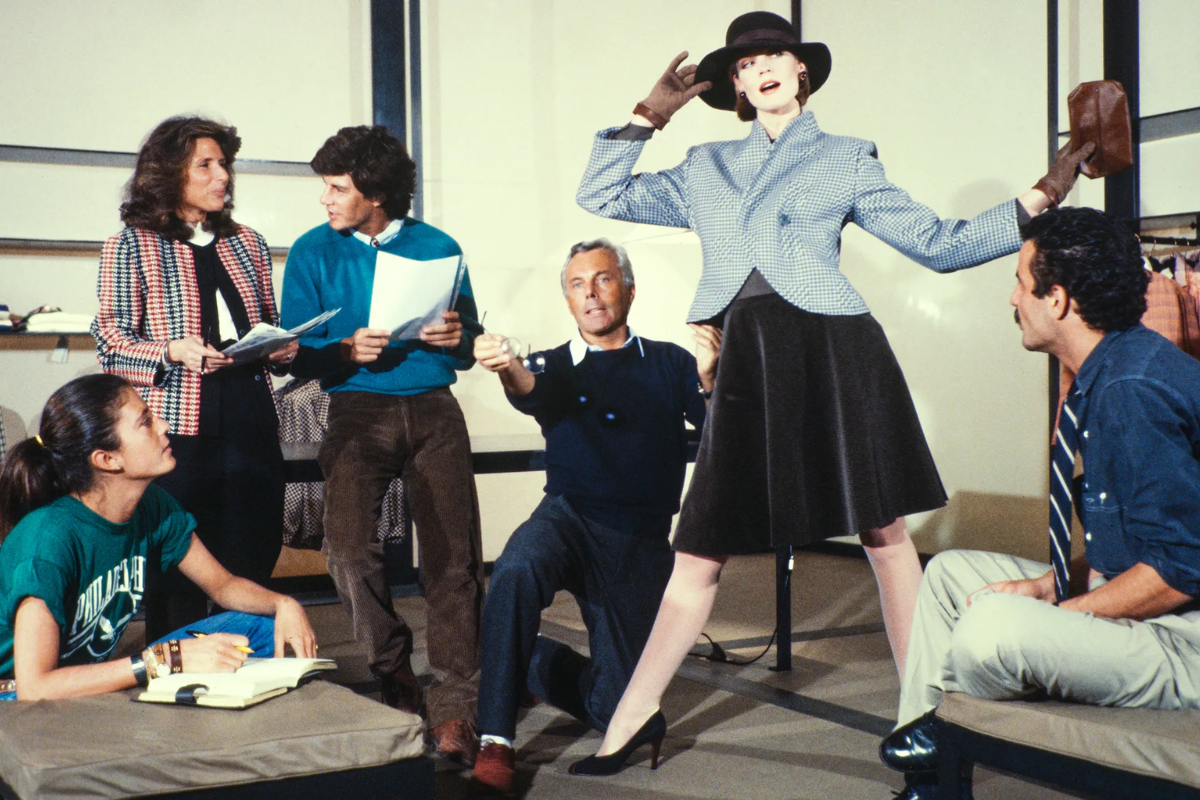
Giorgio Armani was born on July 11, 1934, in the northern Italian town of Piacenza. He grew up with his older brother Sergio and younger sister Rosanna. He was a boy with a taste for the theatrical, and he even dreamed of becoming a doctor. However, his path changed when he took a job as a window dresser at a department store in Milan. This experience gave him a deep understanding of what people actually wanted to wear.
It was here that he began to see a different way of doing things. His first paid job in fashion was at the design house of Nino Cerruti in 1965, where he designed menswear. It was his longtime business partner, Sergio Galeotti, who convinced him to start his own label. Armani famously started his company, Giorgio Armani SpA, in 1975 at the age of 41, a time when most designers are already well into their careers. His company would grow to include lines like Emporio Armani, Armani Privé, and Armani Casa. By 2021, the brand was generating over US$2.7 billion annually.
The Soft Suit Revolution
In a world where suits for both men and women were stiff and restrictive, Armani the visionary came along and changed everything. He took out the padding and heavy linings, creating a new kind of suit that was relaxed and flowed with the body. This new look, which was both powerful and comfortable, became his trademark. It was a new way to dress for success, one that was more about how a person felt than about a rigid uniform.
His revolutionary work with this style earned him the nickname “King of the Blazer.” His designs were a deliberate choice to step away from the flashy styles of the time, focusing on a calm color palette of grays, beiges, and soft earth tones. This style became known as “stealth wealth,” where quality and craftsmanship were more important than showing off.
He once said, “Elegance is not about being noticed, it is about being remembered.”
The Hollywood Touch
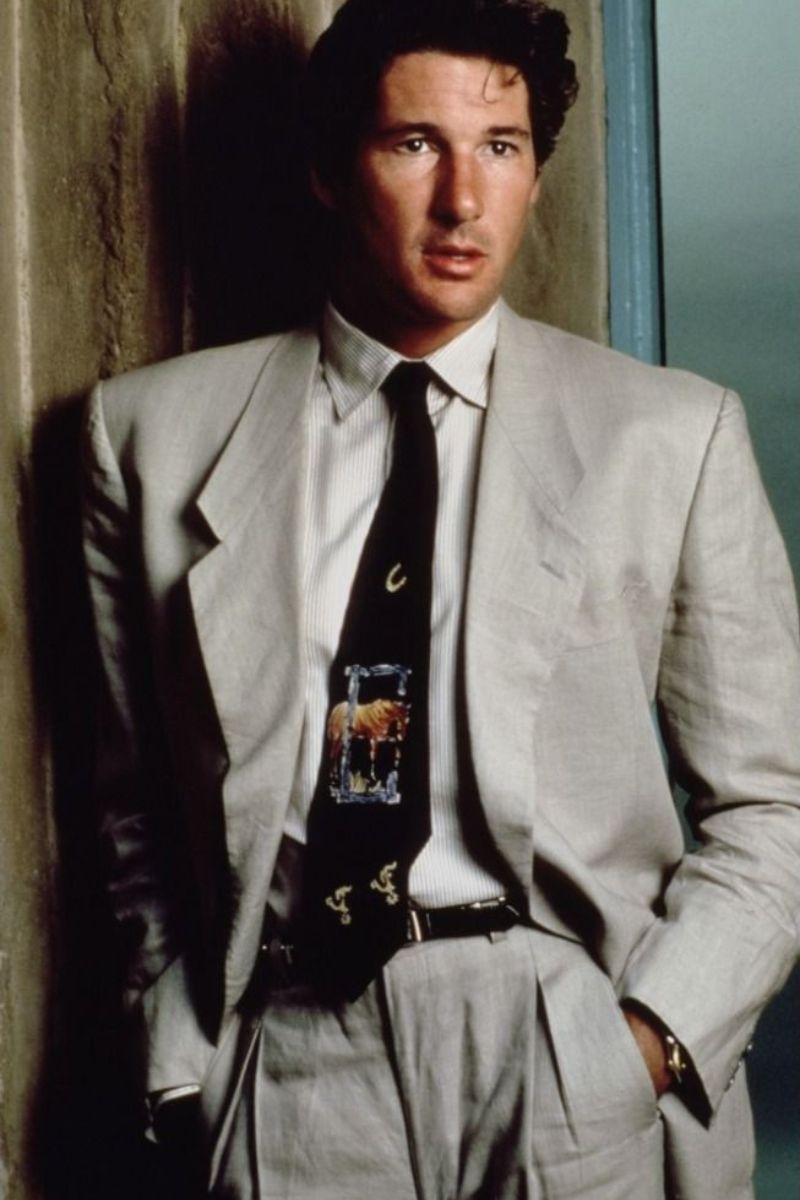
Armani’s designs took over Hollywood. In 1980, he dressed Richard Gere for the film American Gigolo. The movie showcased a new, stylish kind of man and made Armani a household name worldwide. He was widely credited with pioneering modern red carpet fashion, with his looks becoming a staple for A-listers at events like the Oscars. In 1978, Diane Keaton became the first actor to wear his label to the Oscars.
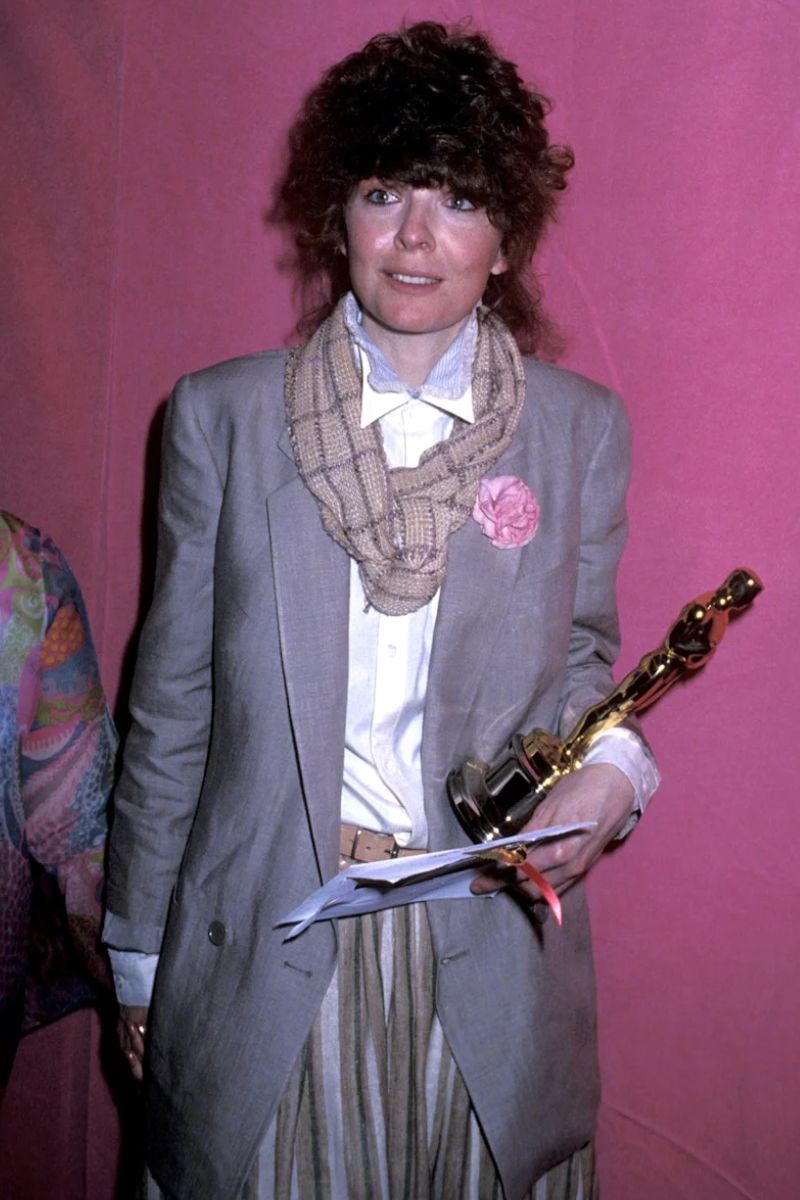
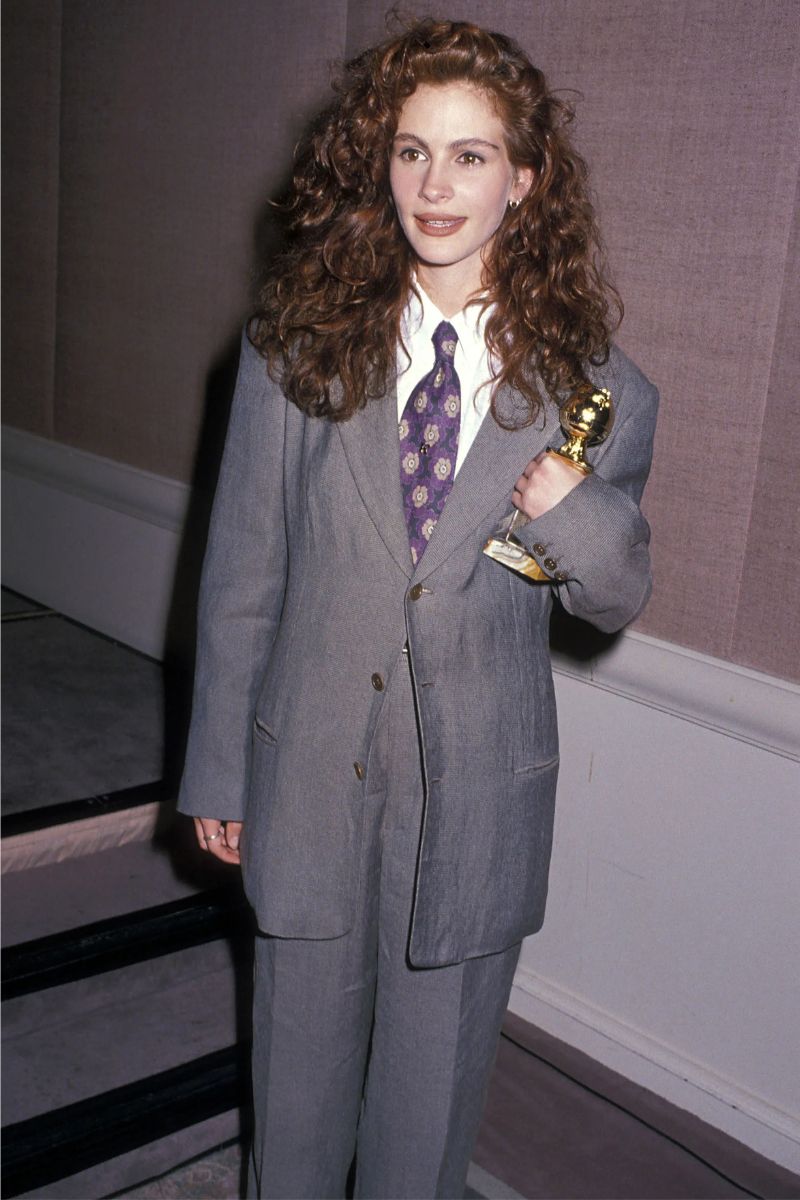
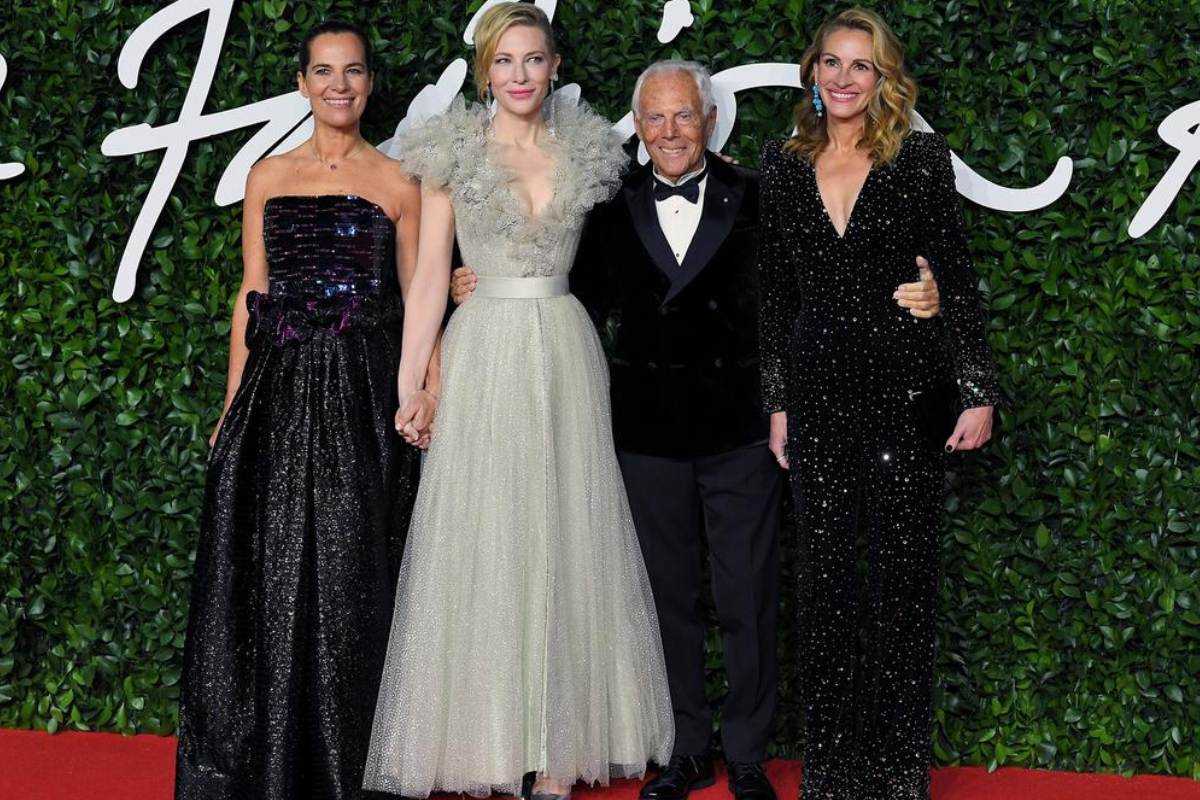
He became the go-to designer for celebrities on the red carpet, dressing stars like Julia Roberts and Cate Blanchett for major awards shows. Jodie Foster has worn the label to every ceremony but one since 1989. Julia Roberts’ 1990 look, featuring a steel grey, oversized Armani suit paired with a white shirt and tie, has become one of the most memorable Golden Globes looks of all time. So popular were his designs at the Oscars that one publication jokingly referred to them as “The Armani Awards.”
Armani’s success wasn’t just in fashion. His company grew into a global lifestyle brand. He expanded into accessories, perfumes, home furnishings, hotels, and restaurants. His brand was a symbol of his complete vision for modern living.
A Vision of Independence
Throughout his career, Giorgio Armani was a rarity in the fashion world. He was the founder and sole shareholder of his company, refusing offers from large corporations that wanted to buy him out. This allowed him to maintain full control over his designs and his business. When his business partner, Sergio Galeotti, died in 1985, many expected Armani to close his business. Instead, he took over the management himself, a move that proved his incredible determination and cemented his independence.
His hands-on approach was key to his success, and at the time of his death, his fortune was estimated at $12.1 billion. In an interview, he once said, “My greatest weakness is that I am in control of everything. Everything you will see has been done under my direction and carries my approval.”
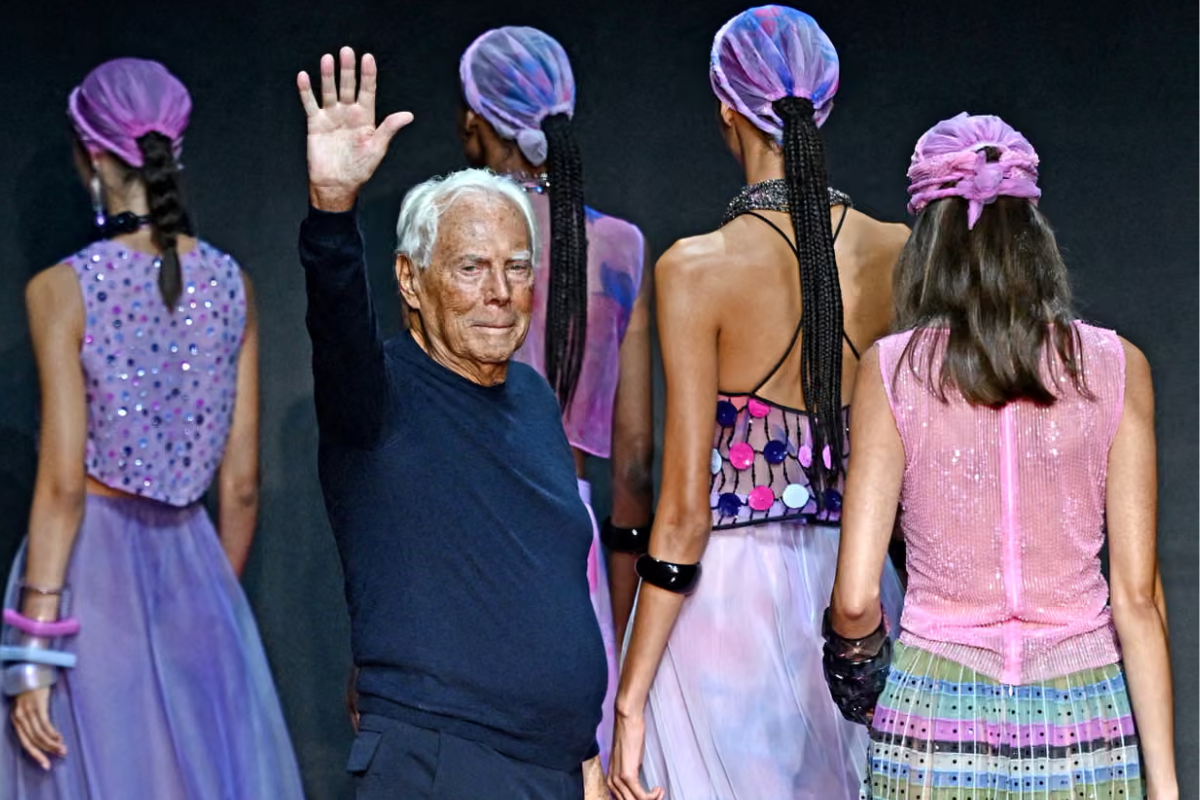
In his final months, even as he faced health challenges, he was still working. For the first time, he was absent from his shows at Milan Men’s Fashion Week in June due to illness. He told a newspaper that “age is undoubtedly a factor to contend with,” but he also saw his company’s future as a “gradual transition.”
He was always thinking ahead, ensuring the company he built would continue on, with responsibilities gradually transitioning to those closest to him, including family members and his longtime head of the men’s style office, Leo Dell’Orco. He had planned a major event to celebrate the 50th anniversary of his company before his death.
His Lasting Legacy
Giorgio Armani’s life and work taught us that style isn’t about chasing trends. He showed that the best designs are the ones that last forever. He created a way of dressing that was both simple and powerful, proving that less can truly be more.
He once said that his main goal was to be seen as a designer who championed timelessness. The legendary film director Martin Scorsese, who collaborated with Armani on the film The Untouchables, described him as “more than a clothing designer.” His legacy lives on in every soft-shouldered jacket and every confident, understated look. He is survived by his sister Rosanna, his nieces Silvana and Roberta, and his nephew Andrea.
The world has lost a true master of his craft, but the elegance he created will endure forever.