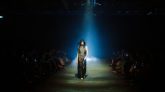

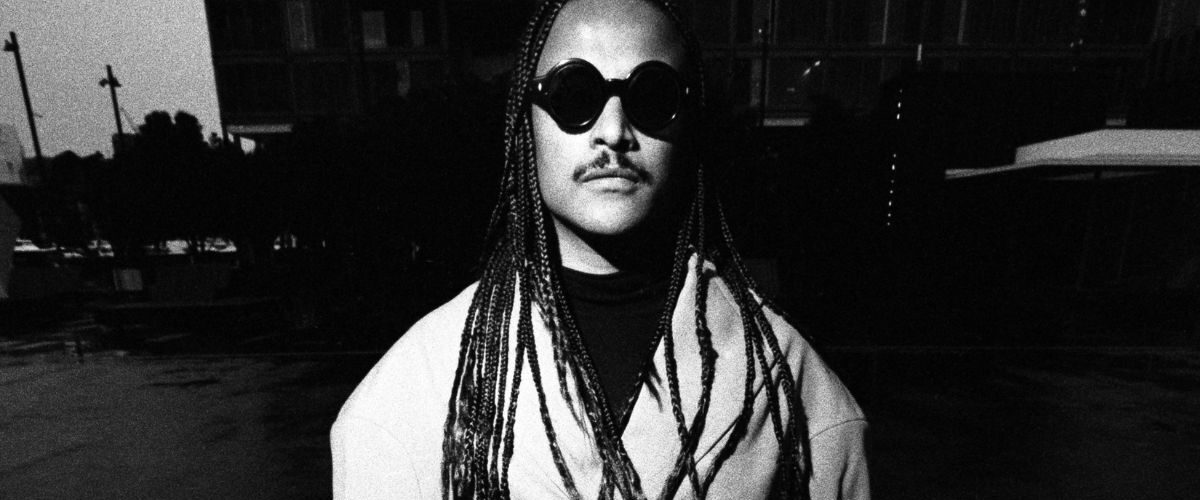
Adrian Williams and his brand, Adrion Atelier, are a perfect example of a new creative force on the rise. He’s not just a designer; he’s a true craftsman who’s spent years perfecting his skills as a pattern maker. This deep understanding of how clothes are actually built gives his pieces their unique power, where every single detail is incredibly intentional. The winner of the FQ Emerging Designer Award in 2024, Williams is bringing his Adrion Atelier collection, “Opaque Boundaries,” to the New Zealand Fashion Week (NZFW) runway.
In this exclusive interview, we sit down with the designer to talk about his technical expertise, his South African roots, and how he creates clothes that feel both effortlessly cool and deeply meaningful.
You’re a rising star in New Zealand fashion. How does it feel to be a part of the NZFW showcase, and what does it mean for your Adrion Atelier brand?
It’s a privilege to stand alongside so many designers I admire. For Adrion Atelier, NZFW is a platform to share not just clothes, but a way of seeing pieces that are deeply considered, crafted for longevity, and quietly expressive. It’s an opportunity to connect with a new community while reaffirming our place in New Zealand’s Fashion industry.
Your journey from a pattern maker to a designer is so unique. How has that deep knowledge of how clothes are put together helped you create your signature style?
At the start of my journey in the fashion industry, I wore many caps as you do in a small studio, but the main one was pattern-making. Pattern making taught me discipline and precision. I understand how a millimetre can change a silhouette, or how a hidden seam can shape the way a garment moves. That technical foundation allows me to design with intention, the drama is in the cut, the fall of fabric, the restraint of what’s left unsaid. Also understanding the form of the body and a general passion for the art, maths and finishing processes you have to think of while constructing a pattern.
Your brand is all about “inclusive exclusivity” and “understated overstatement.” How do you make those two ideas work together in your designs?
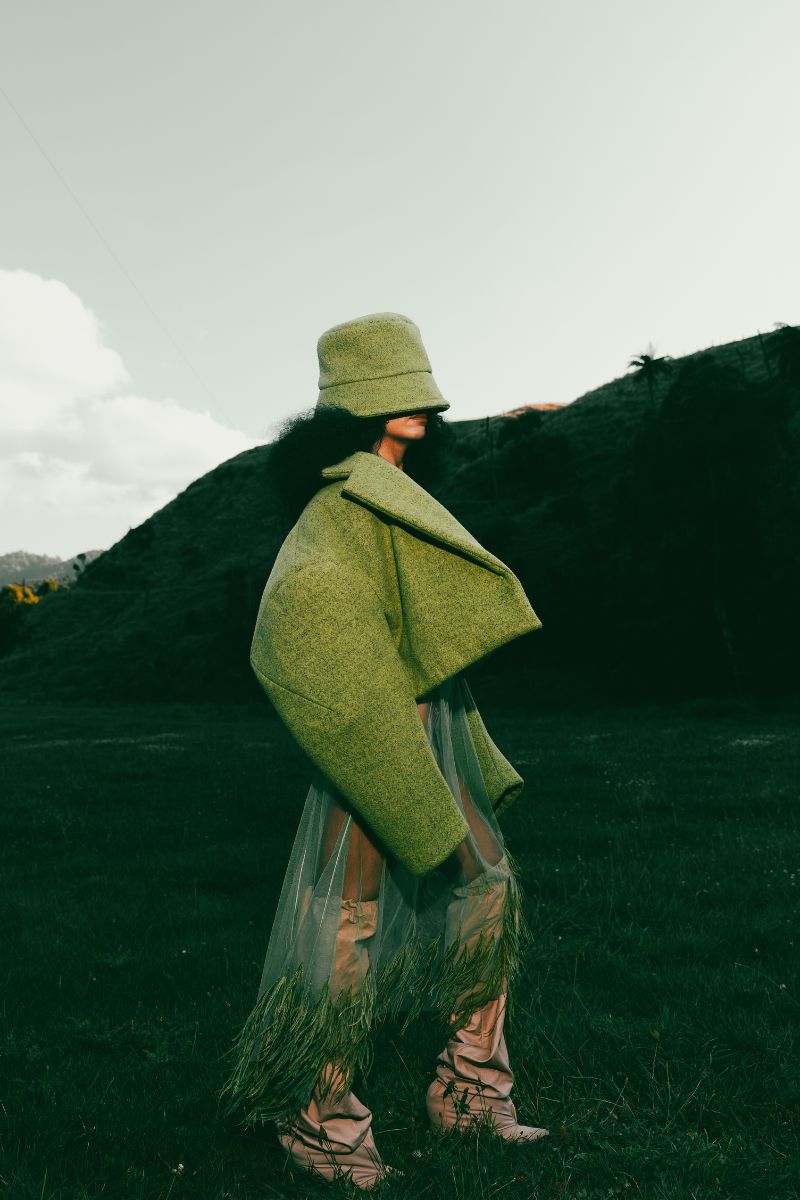
It’s about balance. My pieces are made to be special, but they’re not unapproachable. “Inclusive exclusivity” means they’re designed for a range of bodies and ways of wearing and made in limited runs from curated or thoughtful fabrics. At the same time, “understated overstatement” is the tension between subtle details and bold structure. They whisper, but they don’t go unnoticed.
Your new collection is called “Opaque Boundaries.” Can you explain the meaning behind that name and how it’s expressed in the clothes we’ll see on the runway?
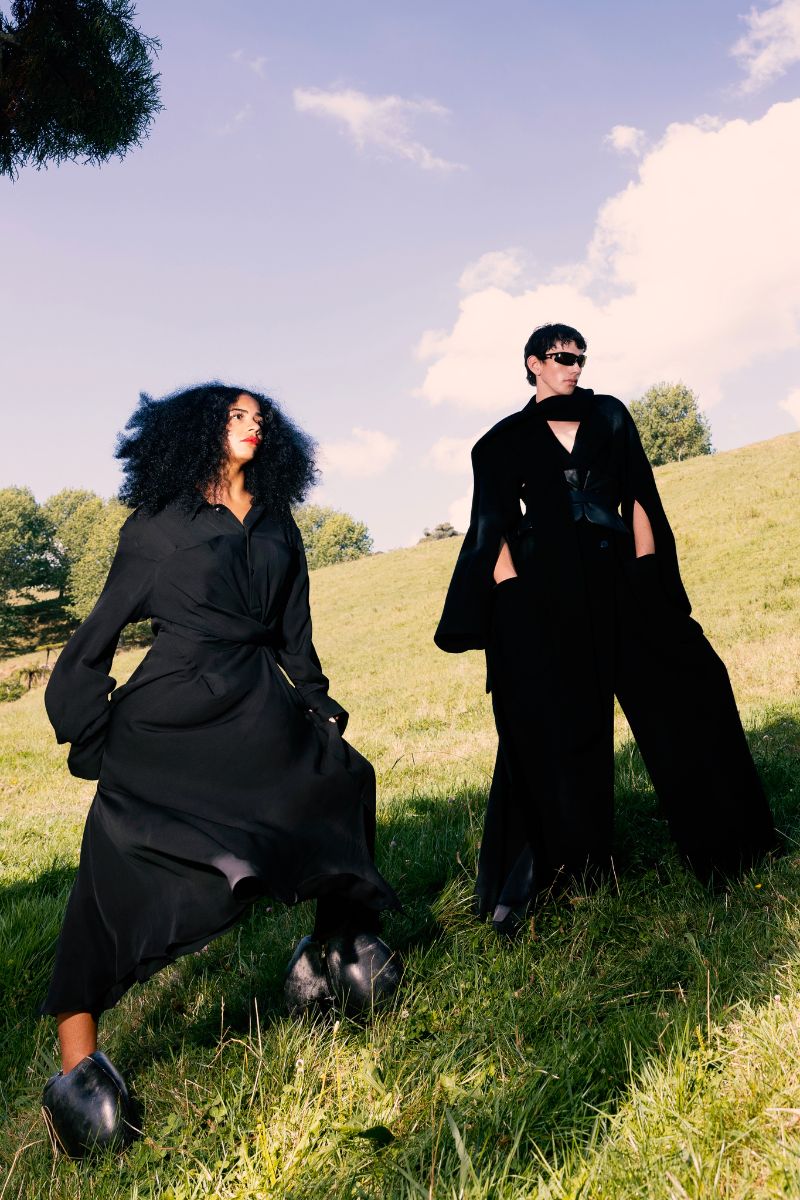
“Opaque Boundaries” is a nod to the unseen constraints that shape how we present ourselves, especially the unspoken rules around femininity and self-expression in professional spaces. I wanted to explore and quietly challenge those rules by working within them, yet reshaping them through construction and deconstruction. The silhouettes play with both structure and fluidity, blending masculine and feminine elements in a way that feels both fresh and familiar. It’s about acknowledging those invisible boundaries, then bending them to create space for individuality and strength.
You have a strong connection to your South African heritage. How has that influenced the textiles, colours, or silhouettes in your collection?
My South African heritage definitely comes through in my work, whether it’s in the bold silhouettes, my love for creating textile forms, or the beading techniques and knowledge passed down through my family and from my time in Cape Town’s atelier industry. I think when people think of African fashion, they often jump straight to colour and print, but there’s so much more. There’s a deep tradition of craftsmanship, a unique perspective on form and detail, and an approach to storytelling through garments that I carry into every collection.
Tell us about one key piece from your new collection. What makes it special, and what’s the story behind it?
Two of the standout pieces for me this season are the gold dress created for the SO/Auckland suite, my showroom during Fashion Week and a peacock dress adorned with individually hand-placed feathers.
The gold dress is made from a glass-beaded fabric, with beads meticulously hand-placed to emphasize the silhouette and celebrate the female form, creating a sense of movement and depth.
The peacock dress, with its delicate feather placement, showcases texture, artistry, and the care of couture craftsmanship.
Your show is an installation, not a traditional runway. What can the audience expect from this experience, and why was it the right choice for this collection?
Initially, I had planned to present the collection as an installation, but I’ve decided to return to a traditional runway show. This choice honors a promise I made to my younger self when I first finished my fashion studies. I want the focus to be on the craft, construction, and details of each piece, without distractions. The runway allows the audience to fully appreciate the silhouettes and textures.
What is the biggest challenge for a young designer in New Zealand today?
One of the biggest challenges for young designers in New Zealand is balancing sustainability and high-quality craftsmanship with commercial viability. We also face the challenge of educating people about mass consumption and following trends over self-expression and individuality. Working with international factories and seeing how big house names operate has been a real eye-opener, it’s something most creatives in the industry know, but it’s not widely known to the public.
What gives you hope for the future of our local industry?
The incredible local community, designers, stockists, and supporters who genuinely champion local talent and create a space, community and environment where it can be celebrated. The growing appreciation for craftsmanship and thoughtful design keeps me motivated.
Your brand creates both ready-to-wear and bespoke pieces. How do you balance those two sides of the business while keeping your creative vision strong?
Balancing ready-to-wear and bespoke work is really about understanding the strengths and freedoms each side offers. RTW allows a broader audience to be included while still creating in minimal runs, pieces that are unique but can be appreciated and incorporated in everyday look, giving the work exclusivity and thoughtfulness. Bespoke gives me the freedom to push craft and personalisation to the next level. Both inform each other; techniques, fabrics, and details I develop in bespoke often inspire RTW pieces, and conversely, the structure and practicality of RTW help ground the bespoke work. The key is maintaining the core ethos of Adrion Atelier, thoughtful silhouettes, meticulous finishing, and a dialogue between restraint and statement, across both, so that no matter the format, the work feels authentic to the brand.
Who is the person you imagine wearing an Adrion Atelier piece, and what do you hope they feel when they put it on?
I imagine someone confident, thoughtful, and curious, someone who values craft, subtle drama, and timeless design. I hope that when they wear one of my pieces, they feel seen and empowered, connected to the artistry behind each piece, and inspired to express themselves with authenticity.
Get tickets here for the Adrion Atelier runway show on Wednesday, 27 August, Shed 10.
Stay with The Last Fashion Bible for all the latest New Zealand Fashion Week news.