

The fashion industry may appear glamorous and luxurious, but scratch beneath the gilded surface, and you’ll see that the constant demand for newness has created a monster: fast fashion. This model of rapid production and consumption comes at a devastating environmental cost.
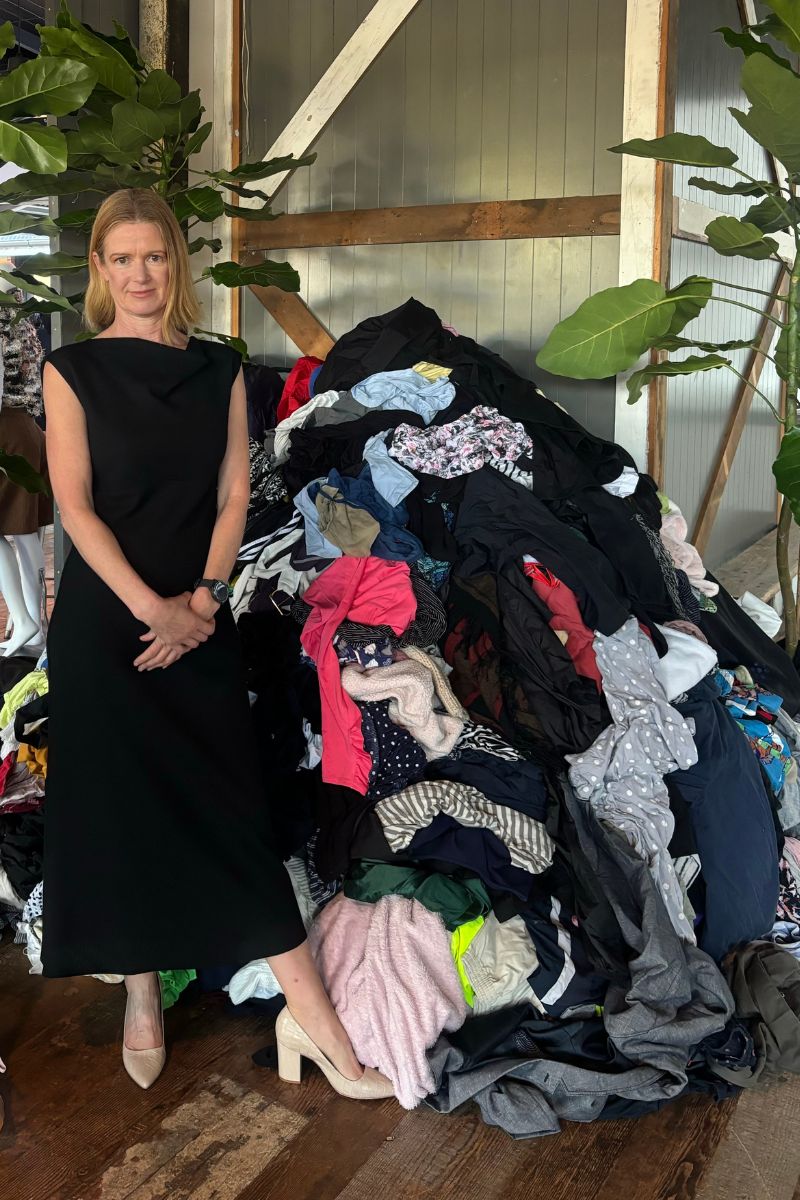
The industry is the second-largest polluter after the oil industry, responsible for 10% of total global carbon emissions. It’s a massive consumer of water, with an estimated 93 billion cubic meters of water used by the global industry annually. To put this into perspective, producing just one cotton shirt can require up to 2,700 liters of water, which is enough to provide one person with drinking water for approximately 900 days. Textile dyeing is also a significant contributor to industrial water pollution, accounting for approximately 20% of global industrial water pollution, as untreated wastewater is often discharged into rivers and streams.
Beyond water, fast fashion contributes significantly to the global waste crisis. A staggering 92 million tonnes of textile waste are produced worldwide each year, with a truckload of clothing ending up in landfills or incinerated every second. In the US alone, around 11.3 million tons of textile waste (equivalent to 85% of all textiles) end up in landfills annually, and can take hundreds of years to decompose while simultaneously releasing harmful chemicals into the environment.
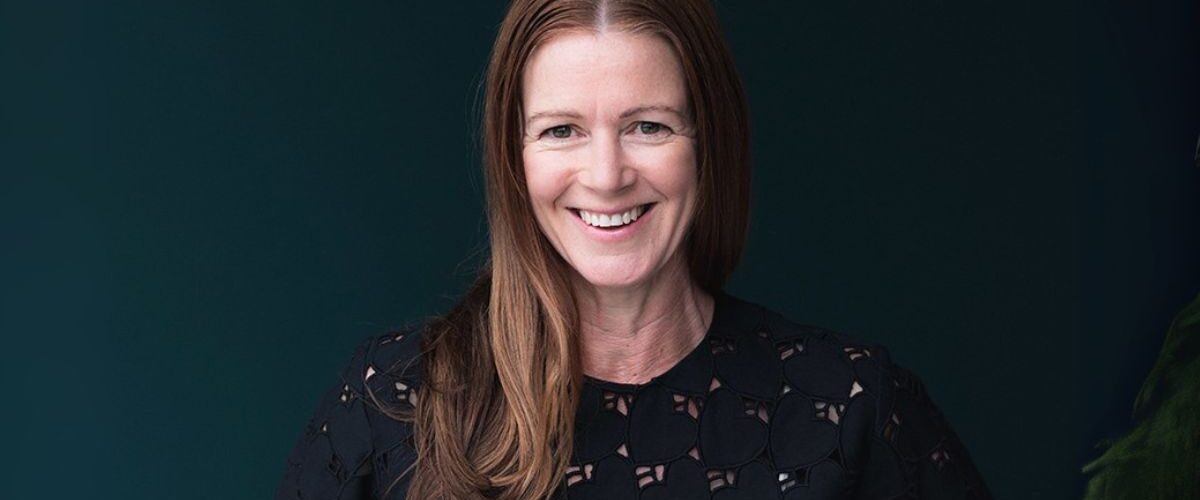
But what if fashion could be a powerful force for good, rather than a source of environmental harm? That’s the mission of Jacinta Fitzgerald, a passionate advocate and Chief Executive of Mindful Fashion, a not-for-profit organisation committed to creating a “sustainable and inclusive future; one where people, business and nature all thrive.”
In this interview, Jacinta shares the pivotal moments that shaped her vision, her mission to help transform the New Zealand fashion industry into a thriving, full-circle ecosystem, and the practical steps Mindful Fashion is taking to weave sustainability and circularity into the very fabric of our local designer landscape.
What does a typical day look like for you at Mindful Fashion?
There is no typical day. We’re a small organisation, just me at the moment, so I’m across everything. This allows me to be really nimble, able to shift my attention where needed. My day switches between being strategic and operational. I work with the board on strategic direction, developing programs, and partnering on bigger-picture ideas for activating our mission within the New Zealand fashion and textile ecosystem.
Then I dive into the operational side: connecting with members, running events, developing toolkits, fundraising, doing accounts, sending newsletters, and managing social media. I really like this dual aspect because I have a systems-thinking mind, always looking at the big picture and seeing connections between different moving parts. Bringing those strategic goals down to the day-to-day, like “How are we actually going to do circular design training? “How do we shift the industry to a low emissions model?” is what I enjoy.
What are the most rewarding and challenging aspects of your work?
The biggest challenge is prioritisation due to limited capacity and resourcing. I can’t do everything that comes across my desk, so it’s about prioritizing for the best impact for the organisation, our members, and New Zealand, without compromising our underlying mission.
What drew you to Mindful Fashion? Did you have an “Aha” moment that motivated you to dedicate your efforts to sustainable fashion?
What drew me was a really deep underlying belief that the fashion industry can be a force for good. I’ve worked in the industry my whole career, starting in design and New Zealand manufacturing. I’ve seen firsthand how good it can be, as well as how bad it can be, and the real damage and harm it can cause.
My “Aha” moment came more than 10 years ago during a trip to visit factories in China. The air was brown, the water was brown, the buildings were brown, the sky was brown—everything was this sepia tone from thick pollution. Then, going into the factories and seeing the substandard way they operated—literal waste piling up on the floor, water running everywhere, squalid conditions—was really confronting. That was my moment. I thought, ” I don’t want to be part of this. I want to be part of creating a much better way for fashion to operate in the world, rather than creating the problem.”
From there, I studied sustainability and worked with non-profits and then brands and retailers globally, implementing more sustainable practices. When I came back to New Zealand, I connected with Mindful Fashion. The founders, Kate (Sylvester) and Emily (Miller-Sharma), were just starting the organisation and pulled me in because of my work in sustainability. I saw it as a real chance to do something unique and New Zealand-centric. We have deep values of care for people, our environment, and our craft, and I wanted to help drive that change forward in New Zealand to create something that would truly be a force for good.
How long have you been with Mindful Fashion?
Since it launched in 2019. For the first year, we were a board-only organisation. I then stepped off the board and into running it in October 2020. We’ve grown quite a lot; back then, we had 18 members, and now we’re at 118. For the first few years, I was working part-time; we were very much in that seedling stage. It takes time for New Zealand, the government, and businesses to recognize the need for an organisation like ours and the value of working with us.
Are you getting more government support now?
It’s really challenging. The current government has scaled back its support for businesses and industries, making it very clear that they don’t want to prop up specific industries. We’ve met with the Minister for Small Business and Manufacturing, and we’re trying to secure meetings with the Minister for the Environment and the Minister for Women; however, we’re not having much success. We’re not seen as a priority, and that’s quite short-sighted.
We did have support from the previous government, working with the Ministry for the Environment to develop programs to manage environmental aspects of the industry in New Zealand. We’ll keep fighting because it’s important that some of our industry’s problems are addressed at the policy level.
Mindful Fashion has been instrumental in advocating for change within the New Zealand fashion industry. What do you see as its most significant achievement to date?
The power of Mindful Fashion lies in the way we bring the entire value chain together and provide it with a platform. This includes everyone from fiber producers and manufacturers to designers, retailers, agencies, service providers, and educators. We approach challenges and opportunities collectively and collaboratively.
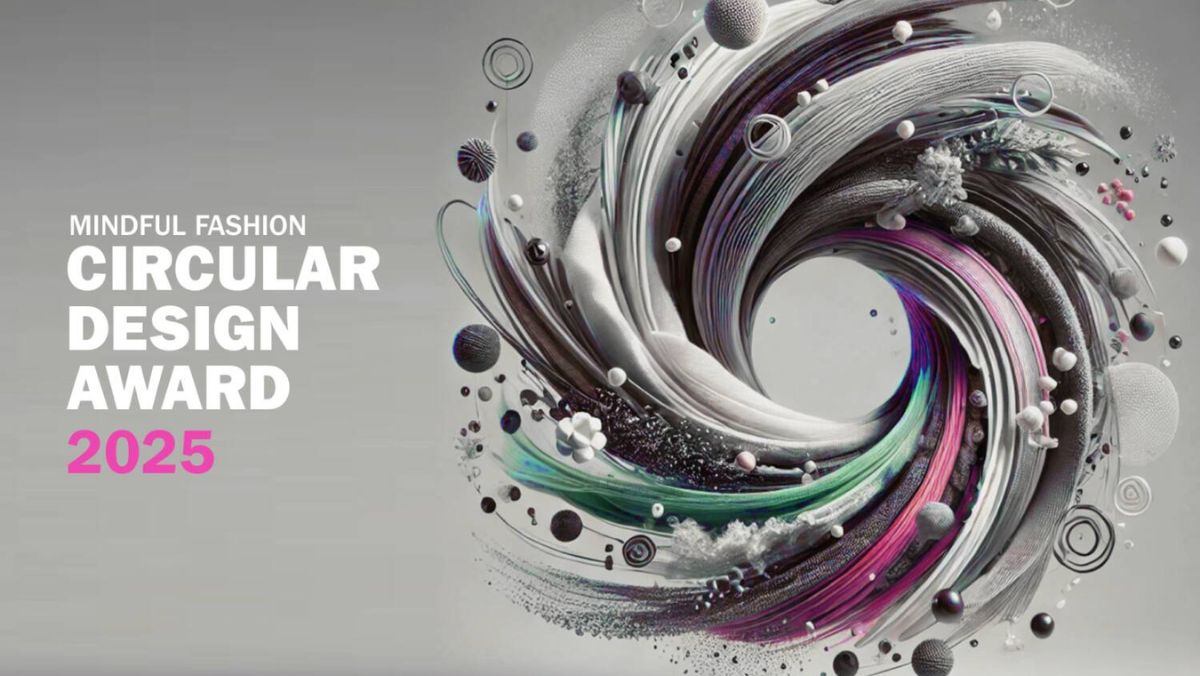
We’ve seen a real impact through our work on industry issues, such as setting the future direction through the Circular Design Award. We see it as a real catalyst for the transition to a more circular and sustainable model, with many initiatives emerging around the country to support it. Setting that future direction and providing that vision has been a powerful move for us.
Another key area is the “Threads of Tomorrow” report. That was us putting our stake in the sand, saying, “This is who we are as a sector in New Zealand. You need to take notice of us. We are very valuable.” Our industry employs almost 4% of New Zealand’s female workforce and is 78% female. We contribute more to New Zealand’s GDP than the building and construction industry, and more than supermarkets and specialty foods. It’s about changing the narrative from “frivolous fashion” and “catwalks” to one that focuses on business, industry, innovation, and the values of care that we have in New Zealand. That’s one of our biggest achievements and something we want to keep raising awareness of.
The Circular Design Awards inspire innovative designers and changemakers to provide real-world solutions. How do they work, and what have been some notable outcomes?
We’ve made the Circular Design Award place-based, meaning that we challenge people to do something local: look at their local regions for a waste stream, or local organisations and skilled artisans they can work with to reimagine textile waste. We focus on bringing it back to the community rather than being a one-stop shop solution. It’s about scaling up local innovations and solutions. We’re starting to see new models emerge, which is exciting.
What practical steps can shoppers take today to reduce their personal fashion waste footprint, beyond just donating clothes?
I always say, “Buy with intention, don’t be impulsive with purchasing.” Ultimately, it’s about choosing fewer items of clothing, buying the best quality you can afford – and “best” means what each of us can afford, not necessarily the most expensive. Choose things that will work hard for you, that you can have for a long time, and that you want to keep in use. Look at them as investments, and then take care of them. So, my ultimate advice is: buy with intention, choose fewer items, take good care of them, and keep them in use.
Then, supporting local is really important for so many reasons. It keeps money in the local economy, creates jobs in New Zealand, and supports New Zealand businesses. Even if items aren’t made here, supporting local means you can go back to the shop for repairs. Most of our member businesses now offer a take-back service, where you can return items for resale. There are so many advantages to supporting local that mean your clothing items won’t end up in landfill or just donated to charity shops.
The concept of the circular economy is at the heart of Mindful Fashion’s vision. What are some exciting examples of circular fashion initiatives or businesses you’ve seen emerging in New Zealand or globally that give you hope for the future?
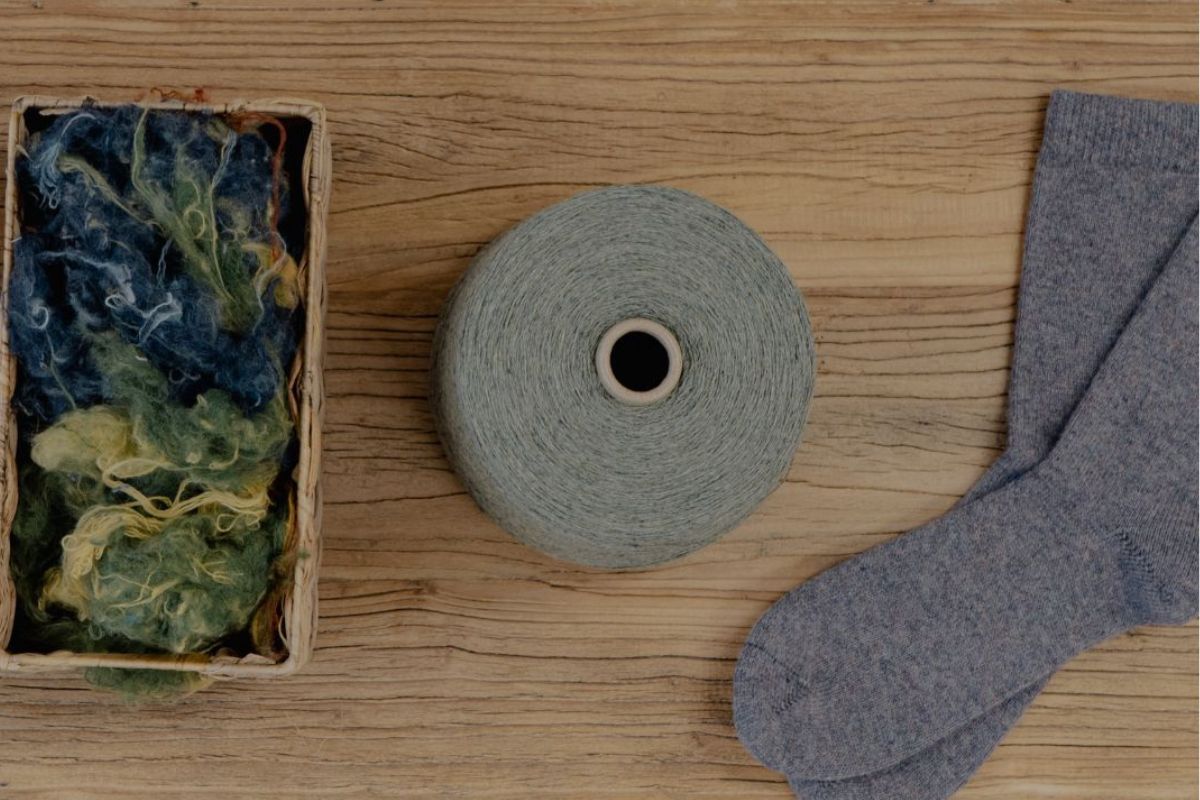
There are so many, and what’s exciting is that new initiatives, technologies, businesses, and business models are popping up all the time. In New Zealand, we have incredible businesses offering repair and lifetime warranties – these are all circular models designed to keep garments in use. Untouched World, with their “Rubbish socks,” has almost designed waste entirely out of their business model, and they offer free repairs and a take-back scheme. Standard Issue has a “Care for Life” program. These businesses truly stand behind their products.
Offcut Caps, a finalist in our Circular Design Award last year, makes hats solely from textile waste, partnering with businesses to use their waste. Their tagline is that they want to put themselves out of business because there’s no waste.
Yu Mei, a luxury leather goods brand, offers a buyback scheme, repairs, and refurbishes its products.
Kowtow has a repair program and a “Re-Loved” program where they resell your Koto garments.
Ruby runs a take-back program and has opened what we believe is New Zealand’s first standalone brand resale store.
This is by no means everything. Most of our members offer repairs, and I always encourage people to contact the brands directly to inquire about their services. It’s great to see this getting reimagined in New Zealand. The resale model in particular is so mainstream now, and designers using waste textiles as a business advantage is exciting.
Chanel, for example, has recently opened a new branch of its business, using materials from previous seasons to create new ones, recognising the value in these materials as something artisanal, resourceful, and innovative.
What roles do innovation and technology play in transforming to a more circular fashion system? Are there any specific advancements you’re particularly excited about?
Innovation and technology are at the heart of the circular fashion system. They are helping us redesign the whole value chain. This includes everything from regenerative fibers, biomaterials, and fibers made from waste material—like Kiwi leather coming from New Zealand kiwifruit industry waste by-products into a new material. It extends to circular design tools for businesses, traceability platforms, digital garment IDs, and textile-to-textile recycling. Innovation and technology are critical, and New Zealand is well-positioned to develop fit-for-purpose technologies for our local sector.
I’m really excited about regenerative fiber development, particularly our incredible regenerative wool program. Also, the circular design and communication tools that extend a garment’s life. With my design background, I truly believe that design has the power to create real change. A designer has so much power and control over the life of a product they create, by thinking about it from the very beginning stage. With the support of new technologies, innovative materials, and systems that track fibers and materials throughout their life, I think that’s something truly exciting.
How can consumers actively support brands and organisations that are genuinely committed to circular practices?
Consumers should look for brands that design high-quality products with a focus on long life, durability, and repairability. Support brands that offer take-back or resale options, as they are actively working in this space. In terms of materials, look for brands that use regenerative, organic, or recycled fibers, and those that are transparent about their supply chains and actively working to incorporate sustainable materials. Certifications and third-party standards are a good signal of this.
It’s a challenging space due to the greenwashing we’ve seen, especially from big fast fashion outlets. Look for brands that stand behind their claims with action. Do they offer repair or resale options? Can you contact them, and will they help you with a faulty garment? Brands that are transparent about their journey, even when facing challenges, communicate honestly and openly, which is a really important signal. I would say to look for and support those brands that are actively working in that way.
What’s your ultimate vision for the New Zealand fashion industry?
Our mission is to unite the industry ecosystem to create an innovative, full-circle, and thriving future. To me, “Thriving” is really important. A thriving New Zealand fashion ecosystem is one where all the people who work in the sector, and everyone part of that ecosystem—including shoppers and all New Zealanders—and our environment are all doing well. It’s important that the system works for all of us. Our clothes would be made fairly and with care from regenerative and renewable materials that can be circulated back to nature or into a recycling system.
I see an industry that reflects who we are as New Zealanders: our connection to place, our care for the environment, and our care for our people. This will show up in many ways: lots of small, innovative, community-led business models, where everyone is contributing. It will be an ecosystem with great jobs across the value chain, where we’re really getting value from our raw materials, our design, and our innovation.
What role do you see Mindful Fashion playing in achieving that?
Mindful Fashion’s role is to put that vision out there and actively work to keep it front and center, while driving forward the groundwork needed for it to become a reality. You see that in the Circular Design Award, the industry report, the skills programs we’ve developed with the government, and our communications with shoppers and businesses. These are all building blocks towards that thriving fashion sector.
What advice would you give to aspiring designers who want to build a fashion business with sustainability and circularity at its core?
I would start by getting really clear on your values and letting them guide every decision. When I look at businesses I admire, they have a very values- and purpose-led founder or leader. That’s got to be at the heart of a sustainable business. Those values will inform decisions about materials, fibers, and the people you choose to collaborate with. It’s crucial that sustainability and circularity aren’t just an add-on, but part of your mindset as a business owner or designer. It needs to be front and center when you’re designing something and establishing your business. Having those values embedded in your decisions from the start is critical. Every time you face a hard decision, you can go back to those values and ask, “Does that align with my values? Which way should I go?” Having that framework is very important.
The only other thing I’d say is really connect with others in the industry who are already doing the work that you admire. Collaborate where you can. We’re a small country, and many people have already faced these challenges. Mindful Fashion is working to bring the industry together, allowing the next generation to connect with those who have been there before, creating a mutual learning opportunity that helps sustain the thriving ecosystem.
What’s the key message you’d like people to remember about Mindful Fashion and your role in creating a more sustainable future?
I think it’s that we all have a role to play. Each of us as individuals, on a personal level, within our jobs, and within our communities. It’s about taking a step. Whether you’re a designer or working within a brand, there might be a step that you can take in that position, whether it’s about what you do as a shopper, or how you connect with somebody in your local community. The decisions that we each make on a day-to-day basis are really important, so make them mindfully. If we plant seeds of intention, they’ll rise up into little shoots and eventually a forest of better grows.