

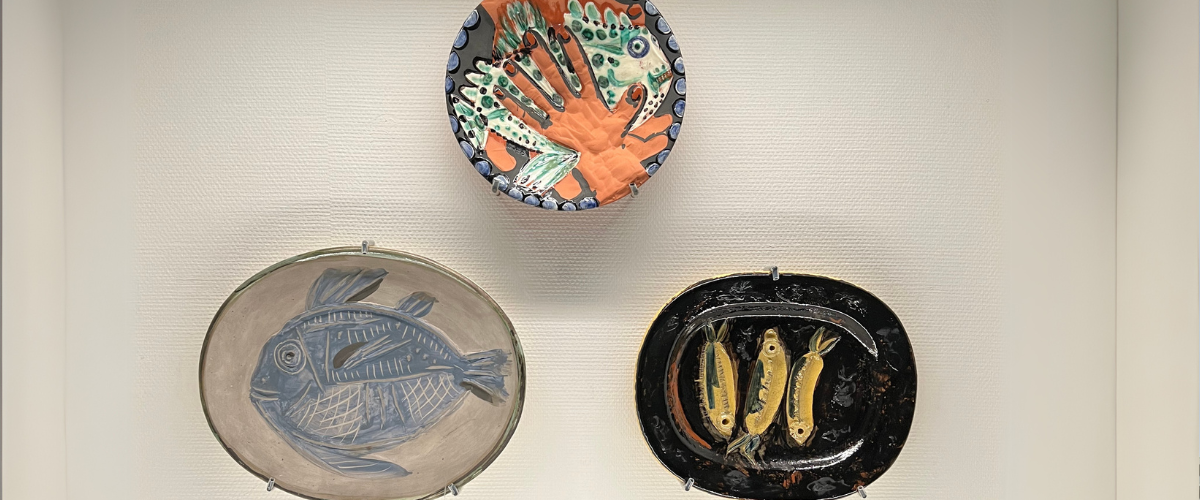
Tokyo has long been a playground for the visually obsessed. From its blinking cityscapes and high-concept design to centuries of tradition steeped in craftsmanship, it’s a place where art, much like fashion, is part of everyday life. Tokyo’s art scene is also home to some of Japan’s most celebrated creatives, from Edo-era icon Katsushika Hokusai to global avant-garde superstar Yayoi Kusama.
Top of my list? The Yayoi Kusama Museum and the teamLab Borderless exhibition. Both wildly popular. Both, heartbreakingly, closed during my visit.
But if there’s one thing I’ve learned about Tokyo, it’s that when one gallery closes, another three quietly open their doors just around the corner.
That’s the beauty of this city; it’s constantly evolving. So I swapped disappointment for curiosity, tightened the laces on my trusty Converse and set out with my husband to explore some alternative art destinations within walking distance of our hotel in Shibuya, offering three distinct and entirely brilliant perspectives on Japanese and global art.
I’m not alone in my quest for authenticity. According to Booking.com’s Travel & Sustainability Report 2025, 75% of Kiwi travellers actively seek experiences that are representative of local culture. Whether that’s food, fashion, or fine art, the desire to go deeper is redefining how and why we travel.
In Tokyo’s art scene, it seems every gallery offers a window into the city’s creative soul and sometimes even a step into the past.
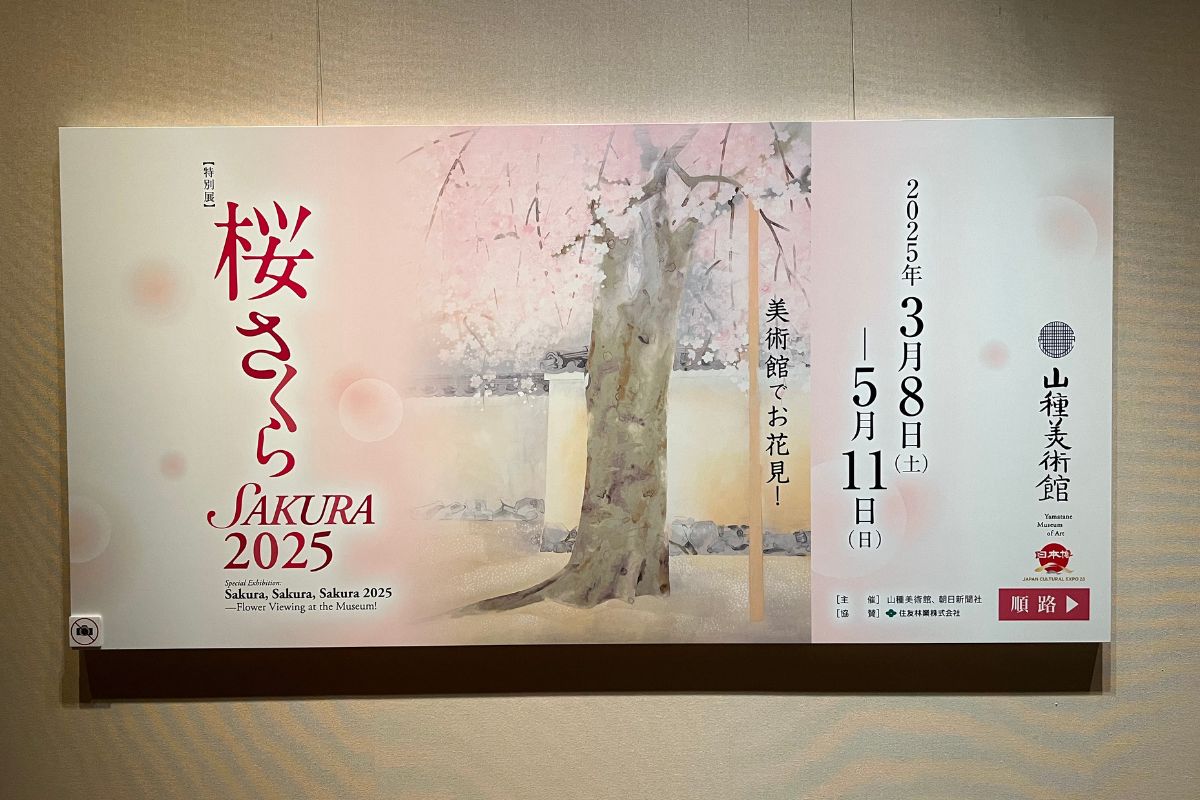
Painting: Sakura, Sakura, Sakura 2025 at the Yamatane Museum of Art
We began the day at the Yamatane Museum of Art, a serene gem dedicated to nihonga, or traditional Japanese painting. Their seasonal show Sakura, Sakura, Sakura 2025 felt like the perfect start, especially as it was the tail end of cherry blossom season in Tokyo.
The exhibition features a breathtaking collection of Sakura-themed works spanning the late Edo period to contemporary artists. Each painting is a study of fleeting beauty; delicate petals, dreamy landscapes and soft brushstrokes that feel more whispered than painted. Some are bold and symbolic, others quiet and contemplative. But all evoke the transient wonder of hanami season.
This is Japan at its most poetic, its cultural heartbeat rendered in blush pinks and soft whites. For the cherry blossom chasers, it was a chance to see them captured permanently, frozen in pigment and paper. A blooming contrast to Tokyo’s ever-changing cityscape.
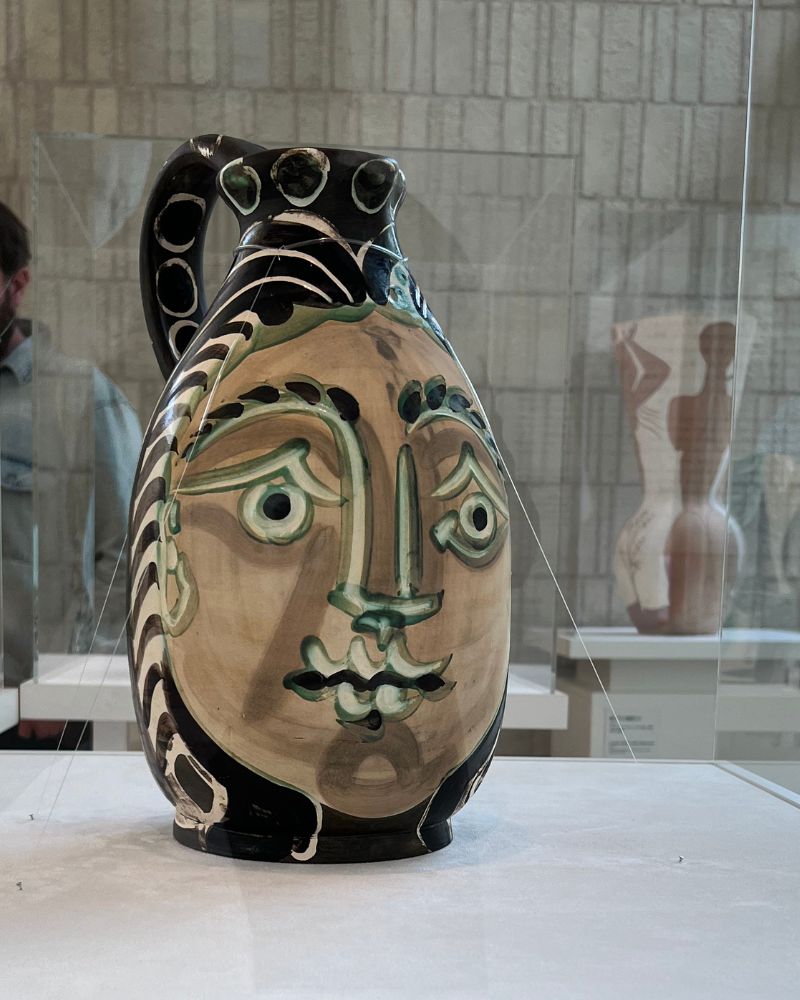
Ceramics: Picasso – Art of Mitate at the Yoku Moku Museum
A short walk later (and yes, my step count was loving it), we arrived at the Yoku Moku Museum, a sleek, modern space tucked away in Aoyama. This museum may be better known for its association with Tokyo’s chicest butter cookies, but don’t let that fool you. The current exhibition, Picasso Ceramics: Art of MITATE, is a masterclass in unexpected dialogue between East and West.
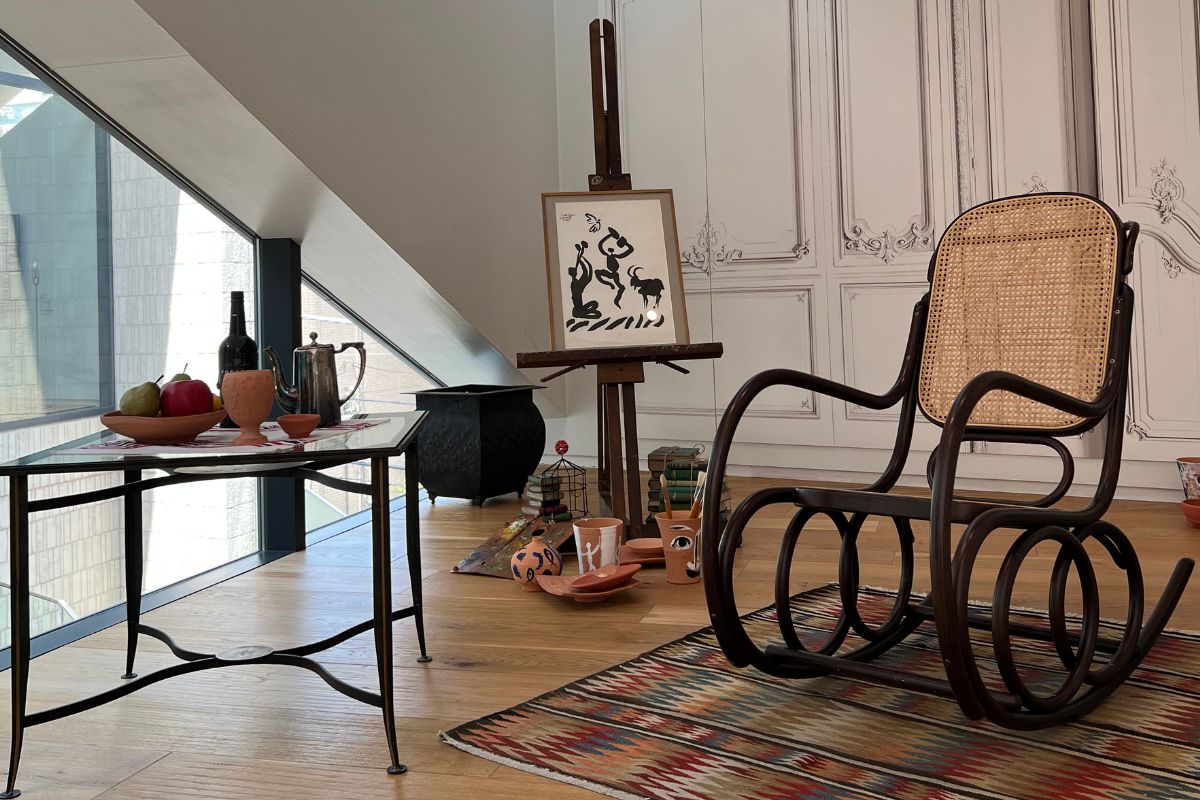
“Mitate” is a concept rooted in Japanese aesthetics; it means to see one thing as another, to reimagine and reinterpret. In this context, Picasso’s post-war ceramics are juxtaposed with Japanese perspectives, challenging how we see his playful, earthy forms.
It’s not the Picasso of grand canvases and blue periods; it’s the intimate, tactile side of a genius. Bowls, plates and jugs turned into faces and figures. It felt refreshing to explore an artist so well-known yet through a distinctly Japanese lens.
Immersive Digital: HOKUSAI: Another Story in Tokyu Plaza Shibuya
Our final stop was the most immersive: HOKUSAI: Another Story in Tokyo, housed inside Tokyu Plaza Shibuya. This isn’t your average museum show. It’s part digital experience, part archival deep-dive, and completely hypnotic.
Hokusai, of course, is best known for The Great Wave off Kanagawa, but this exhibition zooms in on his lesser-known works and untold stories, placing them in contemporary context through stunning visuals and interactive digital installations. Ukiyo-e meets augmented reality. The past refracted through the lens of now.
It was a bold and fitting way to end the day and proof that Tokyo’s art scene doesn’t just preserve history; it reimagines it for new generations.
Culture at Street Level
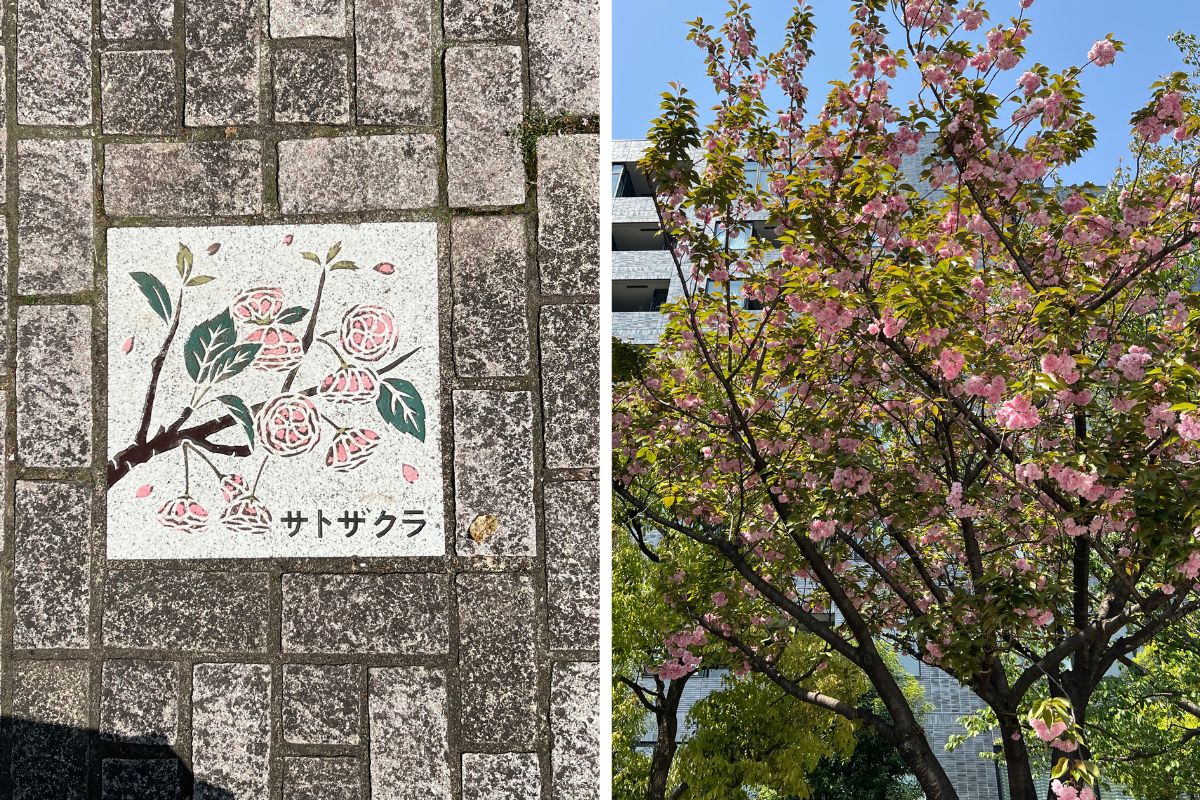
What made the day even better? We walked between all three galleries. Yes, we definitely hit our 10,000 steps and in doing so, we saw Tokyo at eye level. Quiet backstreets lined with vending machines and plum trees, tucked-away cafés and locals going about their lives. It was a reminder that sometimes, the best way to connect with a place is simply to walk through it.
For travellers looking to maximise their time, budget and experience, this kind of day is the ultimate slow-luxe itinerary. You don’t need a tour guide or a private driver. Just a good pair of shoes and a sense of curiosity.
Planning your own cultural escape? With Booking.com, it’s easy to uncover Tokyo’s art world, gallery by gallery, street by street. And with more travellers seeking out meaningful, culturally rich experiences, there’s never been a better time to take the scenic route.
This article was produced in partnership with Booking.com. All photos are the author’s own.