


Some people go to Tokyo for the sushi. Others for the temples, the tech, or the cherry blossoms. I went for vintage Chanel. I was searching for the perfect vintage Chanel bag. The one that’s been living rent-free in my mind for years: classic black, buttery-soft leather, just the right amount of chain and enough character to hint at a glamorous past life.
For those not in the know, Tokyo is the destination for fashion lovers chasing high-end vintage without the high-end markup. In a city known for its immaculate presentation and deep respect for craftsmanship, secondhand luxury is more of an art form than an afterthought. And with Booking.com’s 2025 Travel Predictions forecasting a major boom in “Vintage Voyaging,” it turns out I’m part of a growing global trend.
According to the report, this year’s holiday wardrobes are getting a sustainable makeover. A growing number of travellers, especially Kiwis, are becoming what the brand calls “Vintage Voyagers”: style-savvy, climate-conscious shoppers who thrift their way through new cities. In fact, over half (53%) of travellers now want to buy their holiday wardrobe during their trip instead of before, and 65% make a point of visiting thrift stores abroad. This trend goes beyond fashion: it’s a full-on lifestyle shift. With 55% of travellers intending to be thriftier on their trips and 73% tightening their budget planning to get more from the experience, second-hand treasure hunting has become a pivotal part of the adventure.
Back to Tokyo, and my hunt for the vintage Chanel bag of my dreams in one of the most stylish cities on the planet, and doing it in a way that felt personal, planet-friendly and full of possibility.
Tokyo: Thrift Capital of the Luxe World
What makes Tokyo such a vintage fashion paradise? Three things: curation, condition, and choice. According to Booking.com, 32% of travellers say they find better quality vintage abroad than at home, while 34% say they get better bargains. Flying in the face of fast fashion and mass consumerism, it’s a way to travel deeper, and dress better, while making more meaningful, mindful choices. This isn’t just about the thrill of the find; it’s about travelling smarter, too.
Japanese secondhand stores are famously meticulous; here, bags are cleaned, polished and authenticated with care. Staff are knowledgeable. Pricing is honest. And because Tokyoites are style-obsessed, the inventory rotates often and ranges from rare runway pieces to pristine classics.
There are whole neighbourhoods you can explore like treasure maps. Shimokitazawa is packed with casual vintage and streetwear. Koenji is quirky and cool. For the premium label, head to Harajuku, Shibuya and Omotesando, where vintage is less flea market and more fashion fantasy.
The Vintage Chanel Holy Grail: Amore Omotesando
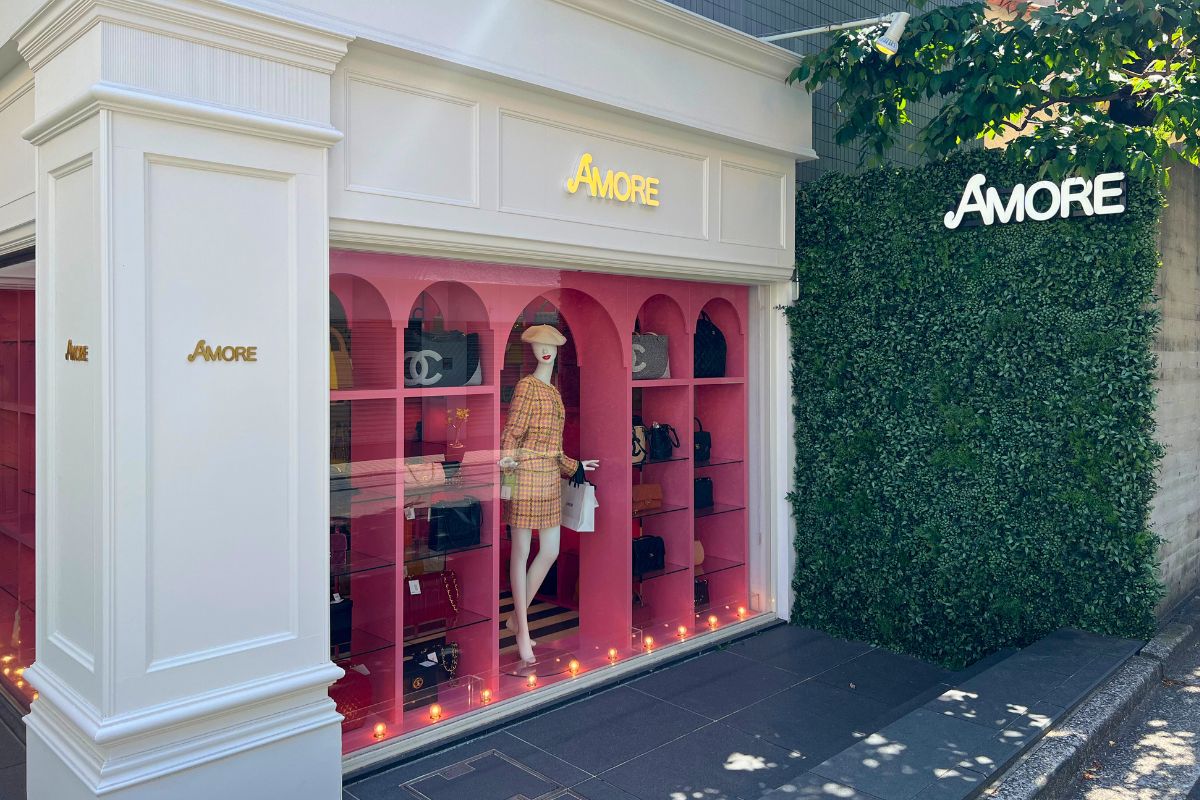
After two days, four train lines, and more than a dozen store visits, I found her at Amore Omotesando. And if you’re even mildly Chanel-curious, this boutique is the stuff of dreams.
Located in Omotesando, a stylish corridor between the vibrant chaos of Harajuku and the high-fashion sophistication of Aoyama, Amore sits at the crossroads of cool and classic. It’s a world away from fast fashion and gimmicky trends: this is a shrine to style with staying power.
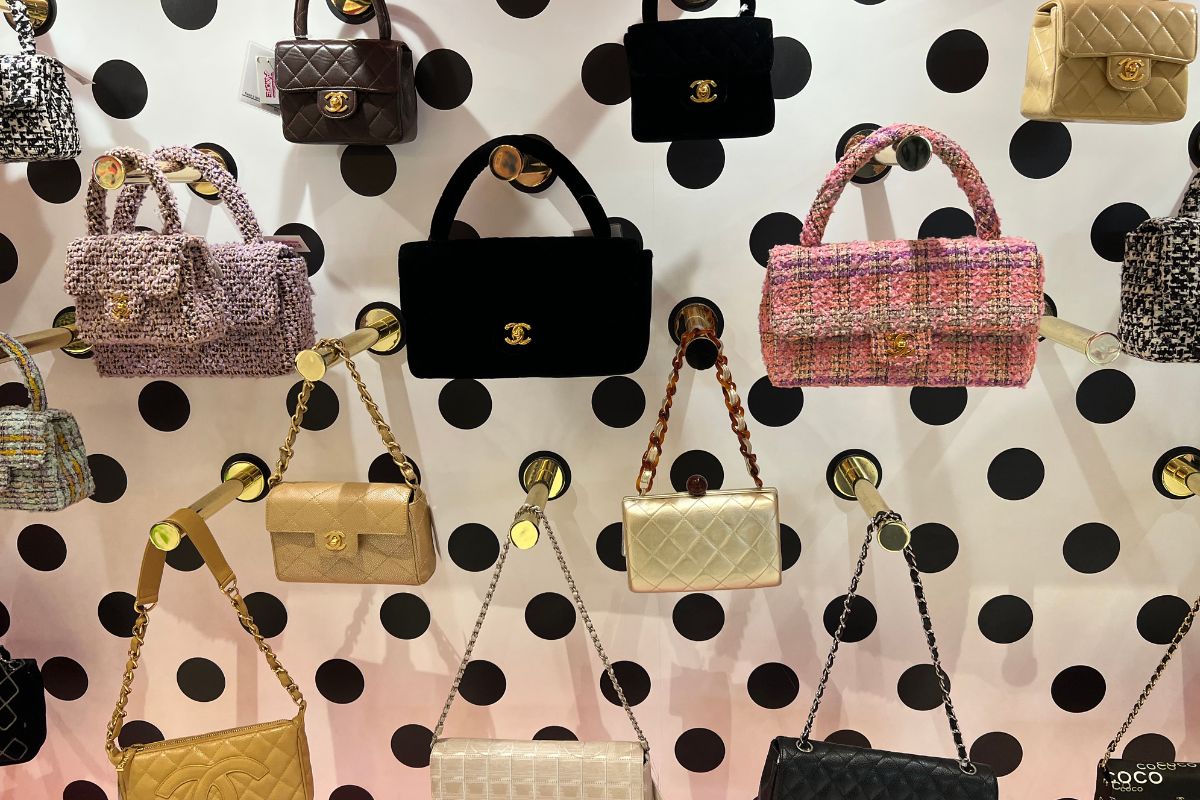
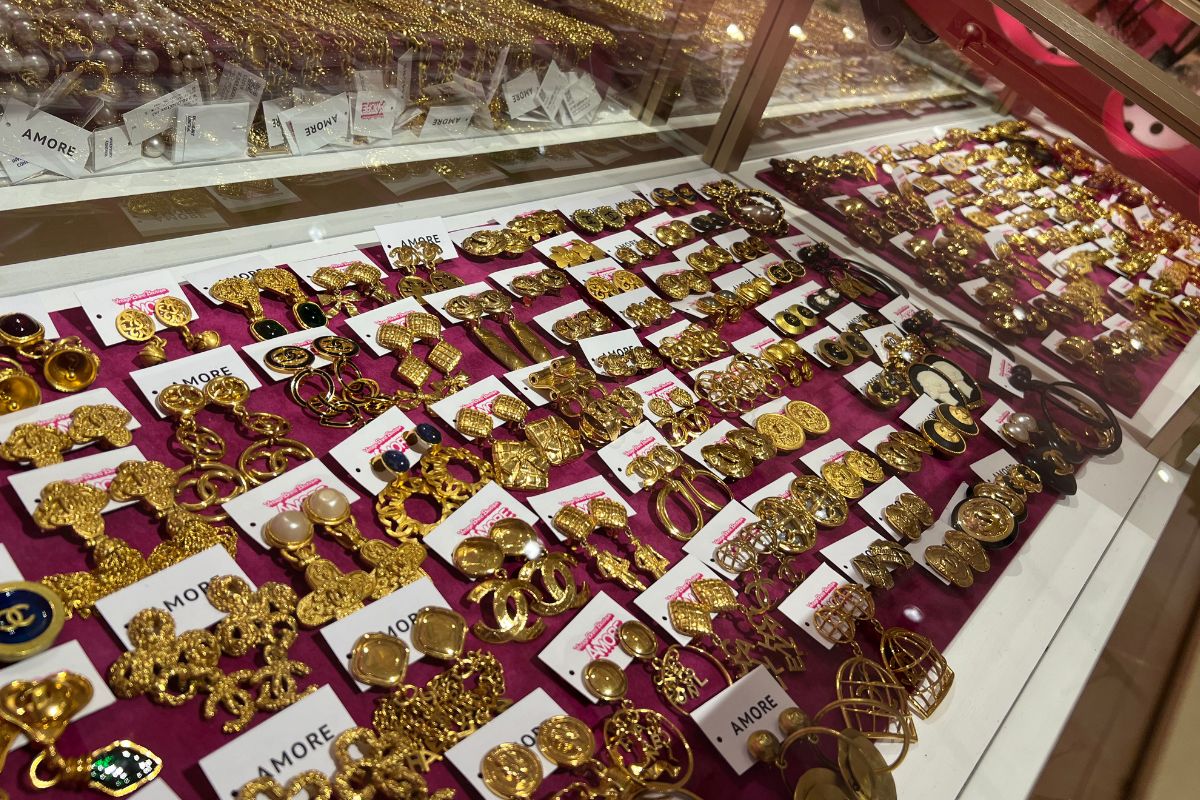
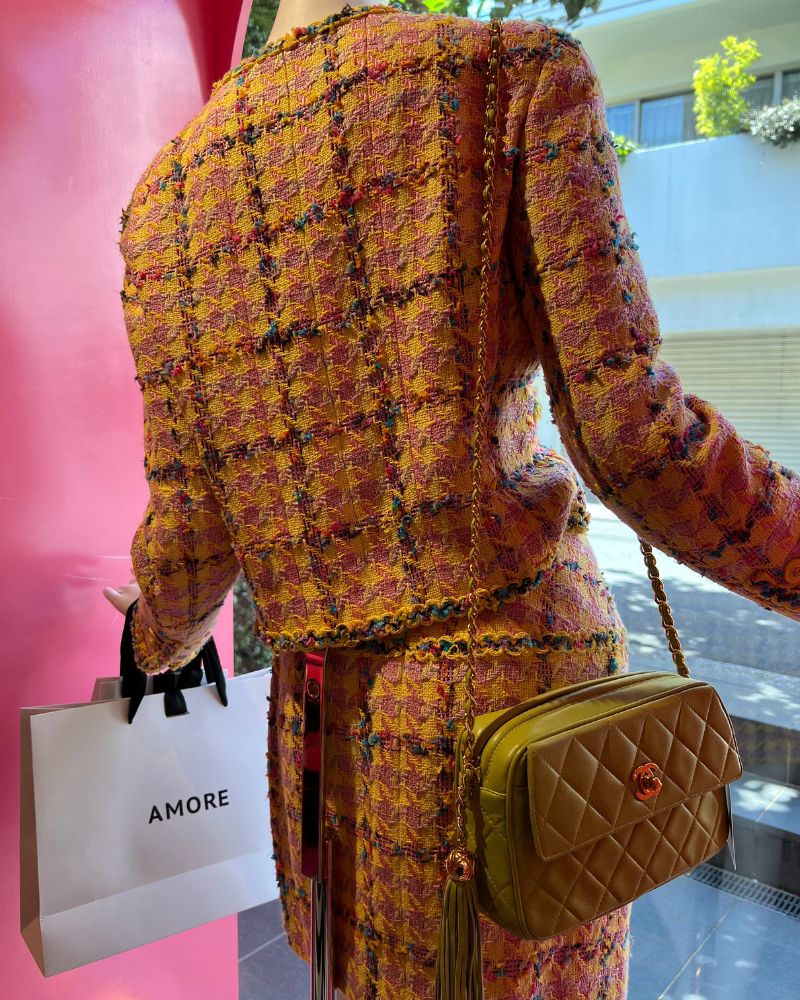
The Omotesando boutique is entirely dedicated to vintage Chanel, a curated museum of fashion’s most iconic house, bursting with heritage handbags, belts, jewellery and accessories from every era. Walk in and you’re immediately surrounded by glass cases full of glimmering hardware, buttery leathers, rare runway pieces, and even obscure archival designs from the ’80s and ’90s.
Looking for a Classic Flap? They’ll likely have multiple versions across seasons. Something more niche? The staff are deeply knowledgeable and genuinely excited to guide you through their treasure trove. What makes Amore especially magical is its knack for sourcing deadstock and unworn vintage, that is, bags and accessories that are decades old but have never been used. Some are so pristine you’d swear they just walked off a 1994 Paris runway.
Everything at Amore is 100% authentic, thanks to the brand’s famously rigorous buying standards. That’s part of the thrill of thrifting: You never know what you’ll find. Still, you can trust that whatever it is, it’ll be in remarkable condition and full of fashion history.
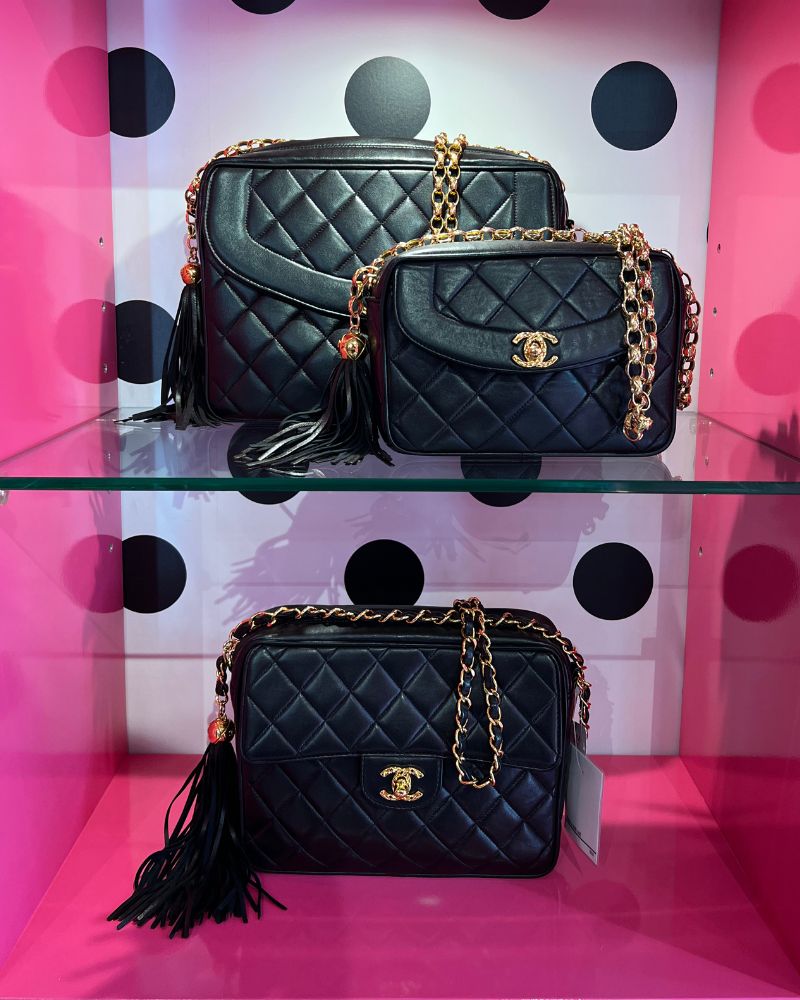
That’s where I met her: a vintage Chanel Classic Flap, circa late ’90s. Lambskin so soft I audibly sighed when I touched it. Gold hardware, a perfectly worn-in chain strap, and just enough patina to show she’d lived a life. The price? Way less than what you’d find in Paris or NYC. The experience? Unforgettable. A piece of history. A timeless icon. And a reminder that fashion can be both fabulous and mindful.
So, did I buy her? That’s a secret I’ll never tell xoxo
Fashion That Gives Back
It’s not just about the bag, though. Vintage shopping has become a pivotal part of how we travel now. With 73% of travellers tightening their budgets to get more out of their experiences, secondhand finds are the new souvenirs. Why buy a keychain when you can bring home a vintage Dior scarf or a perfectly preserved pair of 1990s Chanel earrings?
More importantly, it’s a sustainable choice. Booking.com’s Travel & Sustainability Report 2025 found that 72% of Kiwi travellers want the money they spend to go back into the local communities they visit. Shopping vintage in Tokyo does just that by supporting local business owners, encouraging thoughtful consumption and championing a more circular fashion economy.
Pack Memories, Not Just Outfits
I left Tokyo with a suitcase slightly fuller (and a heart much fuller), carrying more than just a handbag. I brought home a piece of the city’s style culture, a perfect memory stitched into leather and chain, and the quiet pride of knowing I travelled—and shopped—just a little more consciously.
So, think beyond the tourist traps and department stores next time you plan a trip. Go vintage voyaging. Tokyo’s waiting, and somewhere out there, your perfect Chanel bag is too.
Ready to shop sustainably on your next escape? Booking.com makes it easy to explore destinations like Tokyo while curating a more conscious (and stylish) suitcase.
This article was produced in partnership with Booking.com. All photos are the author’s own.