

I had just three days in Tokyo, a tight timeframe for a city that demands a lifetime to truly explore. As time was of the essence, I wanted to visit as many of the city’s iconic spots as possible during our stay. Booking.com’s AI Trip Planner helped me plan the perfect itinerary and make every moment count. I was there with my husband, and while we had a few must-see places, the trip planning tool helped us uncover hidden corners to balance big-ticket sights with quiet local gems and create an adventure that felt uniquely ours. The result was an unforgettable 3 days in Tokyo.
According to Booking.com’s 2025 Travel Predictions, Kiwi travellers like us are embracing technology to defy convention and create deeper, more meaningful connections. The report says that 68% of New Zealanders plan to use tech tools to curate authentic, respectful, and off-the-beaten-path adventures. This shift is part of the “AI = Alternative Itineraries” trend, where tools like Booking.com’s AI Trip Planner play a key role in helping travellers make more intelligent and mindful choices.
Inspired by this, and painfully aware of the short window to see the world’s busiest city in only a few days, I set out to create a Tokyo itinerary that took in those must-see tourist hot spots, my love of vintage shopping and, of course, the best places to eat. Read on to discover how we spent 3 action-packed days in Tokyo using Booking.com’s AI Trip Planner.
Day 1: Urban Pulse & Fluffy Pancakes in Shibuya & Harajuku
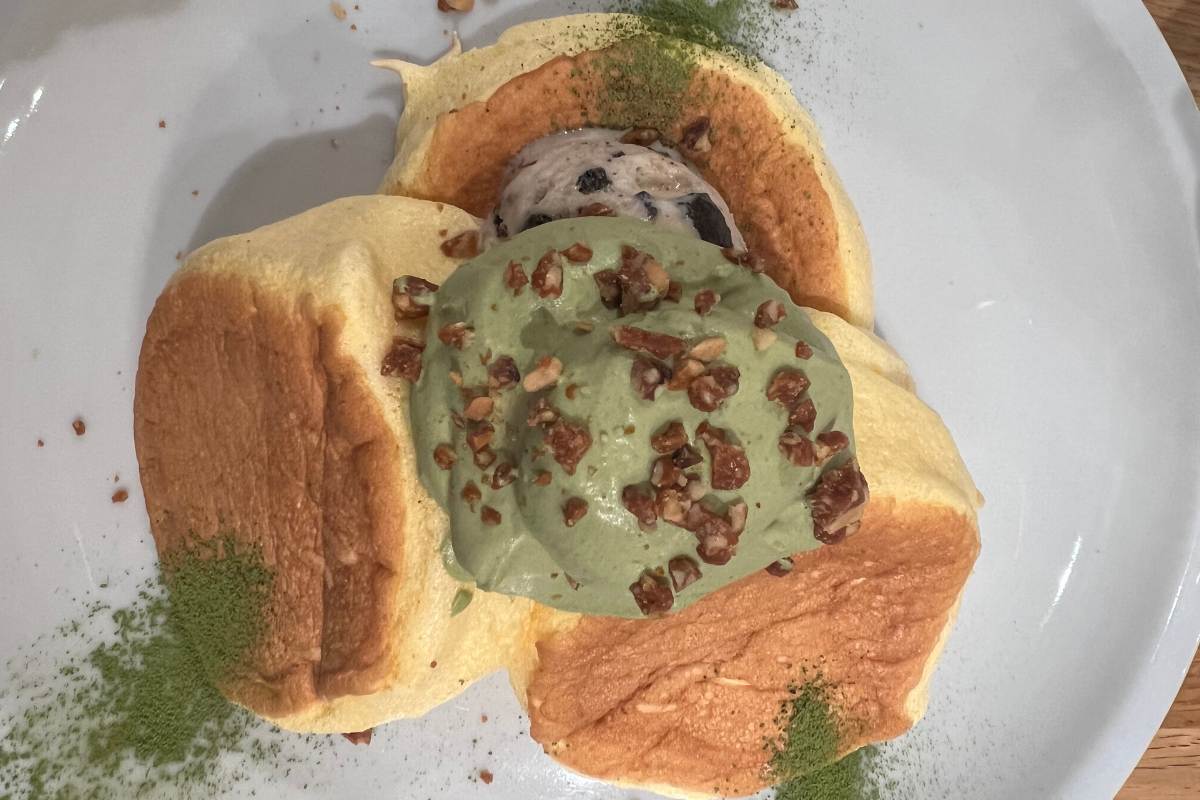
Our 3 days in Tokyo began at Flippers Shibuya, thanks to a recommendation surfaced by the AI Trip Planner. Known for its “miracle” soufflé pancakes, light as clouds and rich with flavour, it was the perfect indulgent start and an invitation to slow down and savour Tokyo’s softer side. My husband chose the chocolate banana topping option while I tried the Uji Matcha with Cookies & Cream ice cream. An indulgent but much-needed energy boost to start our day.
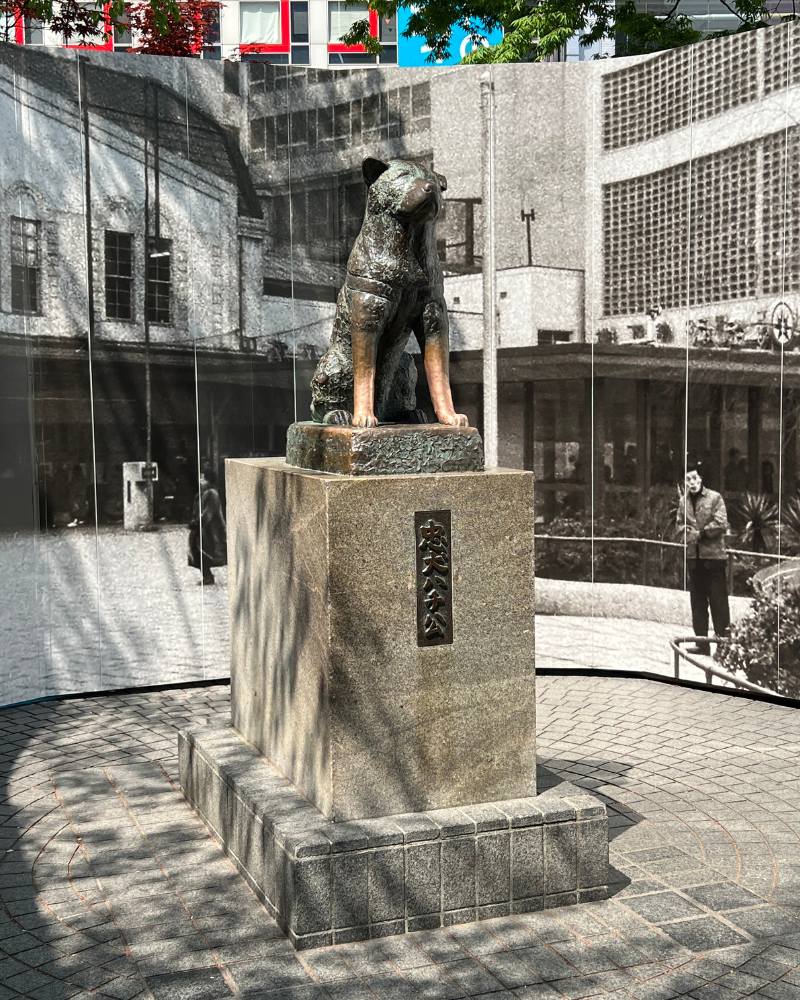
Next up was the iconic Shibuya Scramble Crossing, the world’s busiest pedestrian crossing, with as many as 3,000 people crossing at a time. There were masses of people crossing when the pedestrian light turned green, but like everything in Japan, it flowed with calm organization. After the frenzy of ground level, we paid our respects to Shibuya’s most famous resident, the Hachiko Statue, which honours the most loyal dog in Japan.
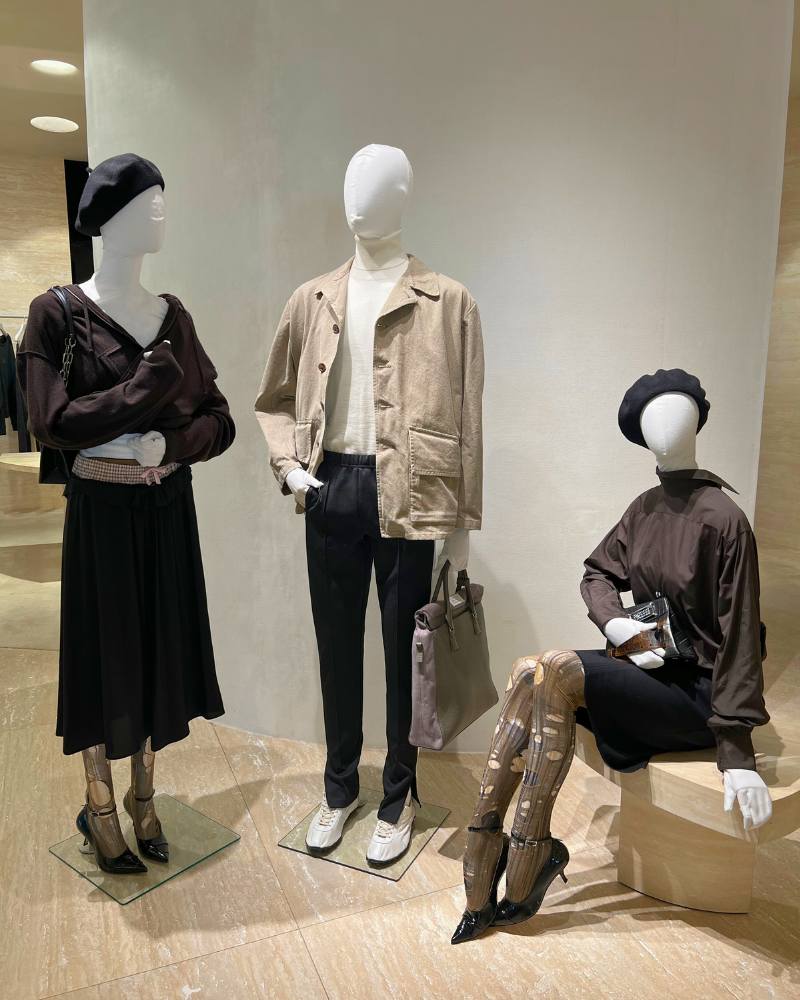
Our next stop was Omotesand?, a fashionable and upscale neighbourhood within walking distance from Shibuya. The tree-lined boulevard is home to flasgship stores for many luxury boutiques, including two of my favourites, Jil Sander and Maison Margiela. Pursuing the latest runway looks in these beautifully designed stores honestly nourished me. But my husband was starving, so we went to Brown Rice by Neal’s Yard Remedies, which provided us with a sanctuary of zen and wholesome vegan food before we were back out on the streets again.
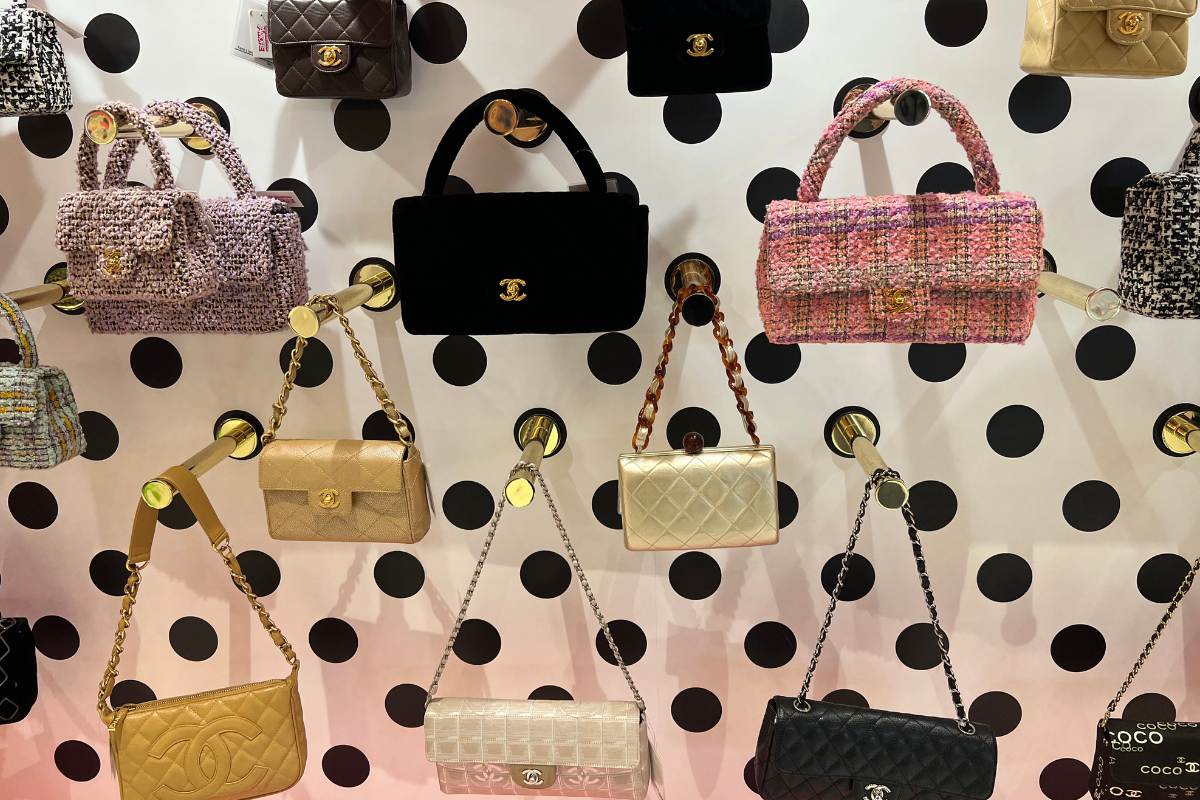
Our next destination was Amore Vintage Boutique, a part of my side quest to find the perfect vintage Chanel handbag. This particular boutique is dedicated to Chanel, and I’m not ashamed to admit that I spent way too long admiring the iconic designs of one of my favorite fashion houses. (Shout out to my amazingly patient husband, who kept himself busy looking at the Polaroid pictures of the boutique’s famous shoppers.)
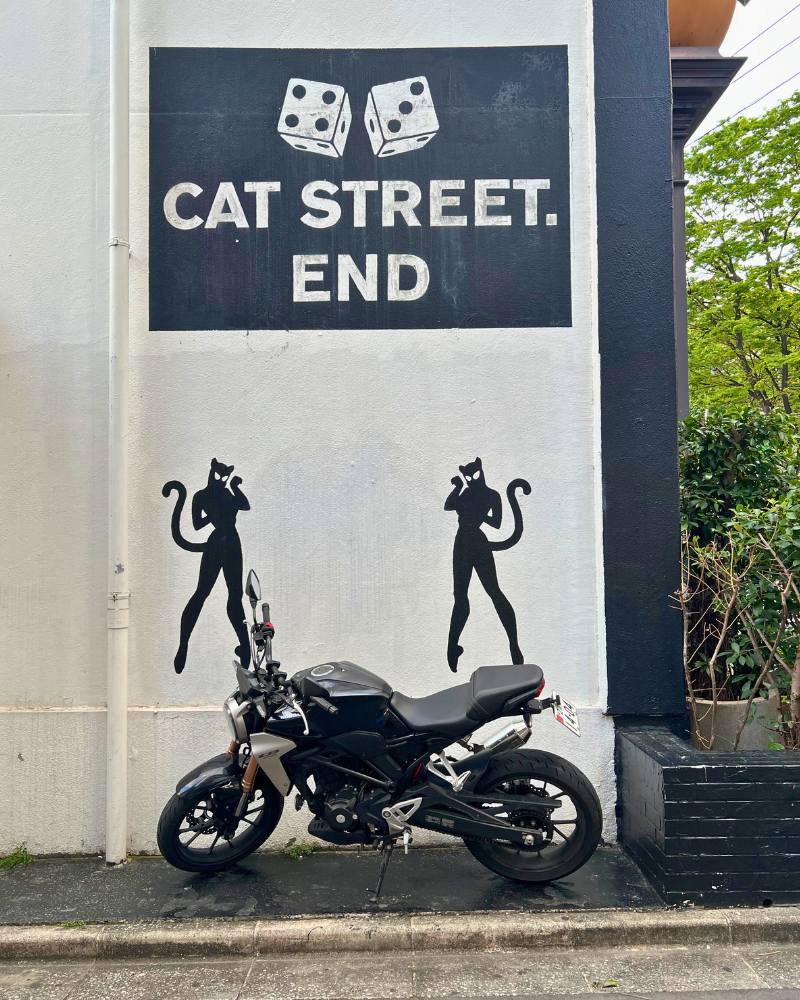
The stroll to Harajuku took us through Cat Street, which bridges Harajuku and Shibuya with boutiques, cafes and hidden gems. There was definitely a more mature, curated street fashion experience.
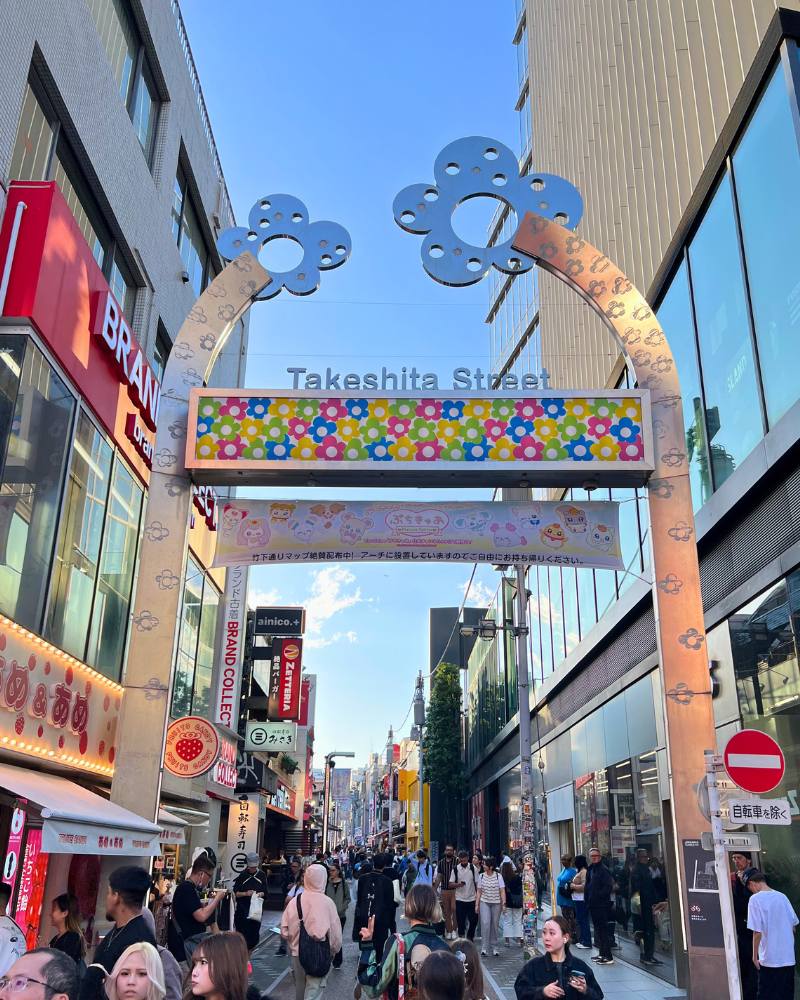
I was excited to visit Harajuku’s iconic Takeshita Street, famous for being colorful, chaotic and bursting with youthful fashion and kawaii culture for people-watching and quirky souvenirs.
Day 2: Galleries Galore and Neon Nights in Shinjuku, Golden-Gai & Kabukicho
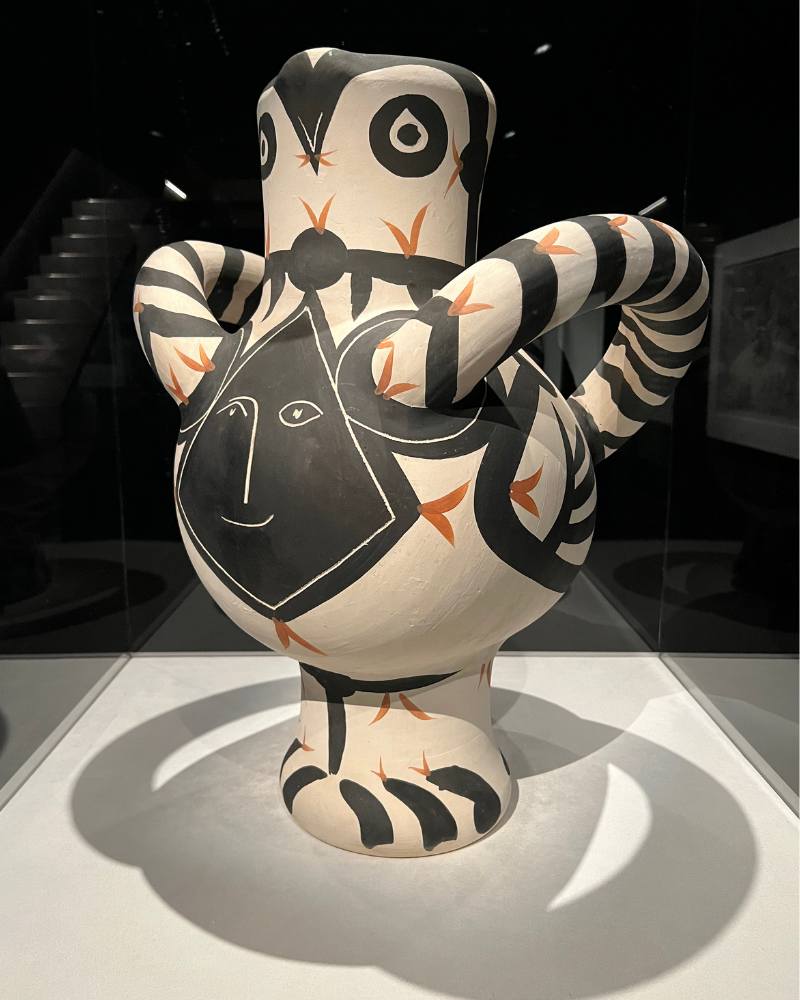
After a delicious breakfast at our hotel, Hyatt House Shibuya, we set off for a morning of cultural exploration to see some of the famous galleries in Tokyo. Unfortunately, the two galleries I was excited to see, Yayoi Kusama and teamLab Borderless, were closed while we were there. Fortunately, Tokyo is bursting with creativity, and we found three immersive galleries with different mediums to give me a culture fix.
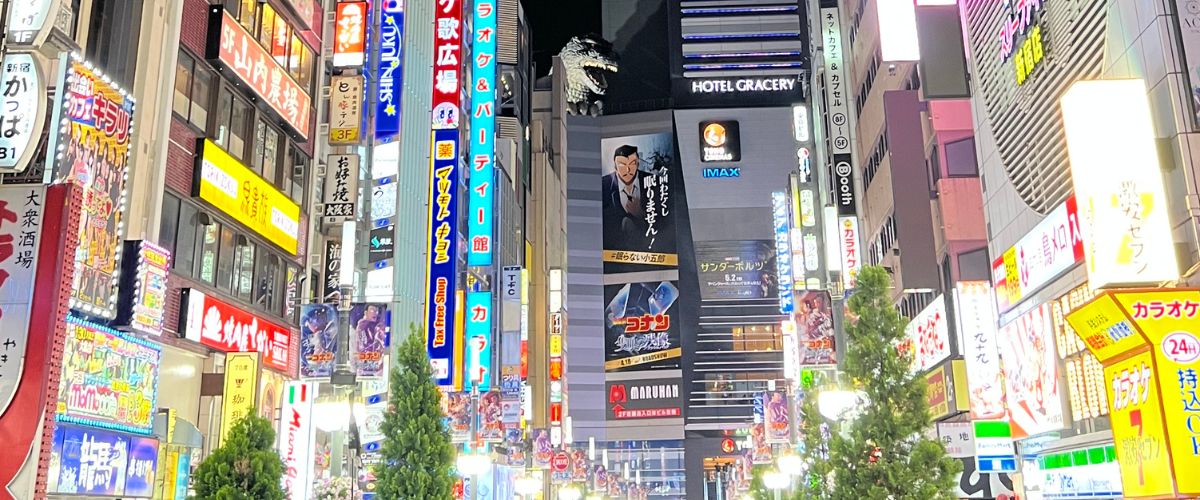
We had lunch at a great little ramen bar before bracing ourselves for Shinjuku Station, which boasts the title of the busiest train station in the world. We spent the afternoon wandering the busy streets, taking in Godzilla’s famous head on Godzilla Road.
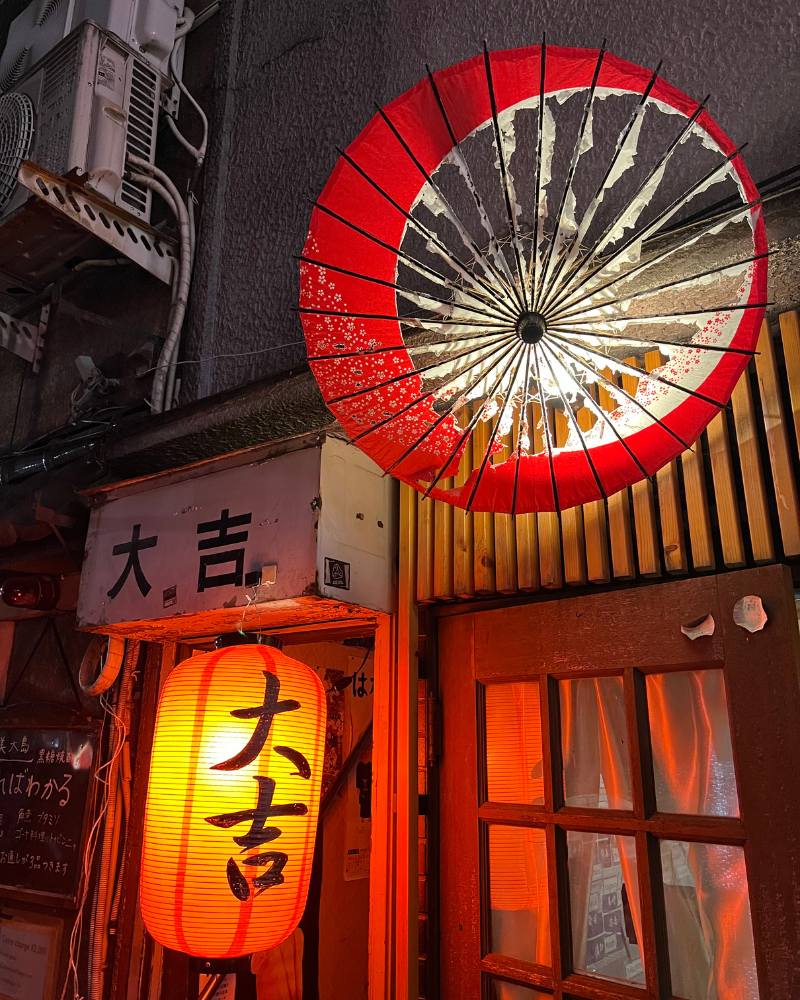
Come evening, we met up with friends to experience Golden Gai and Omoide Yokocho, also known as Piss Alley. The two precincts date back to post-war Japan and the warren-like streets are home to micro-bars that were once illegal drinking dens and brothels between the 1940s-1960s. Tucked away in Shinjuku backstreets, a stone’s throw from the bright lights and skyscrapers of central Shinjuku, Golden-Gai and Piss Alley feel a world away from modern Tokyo. Despite the name, “Piss Alley” is full of atmospheric charm: lanterns, narrow passages and smoky grills.
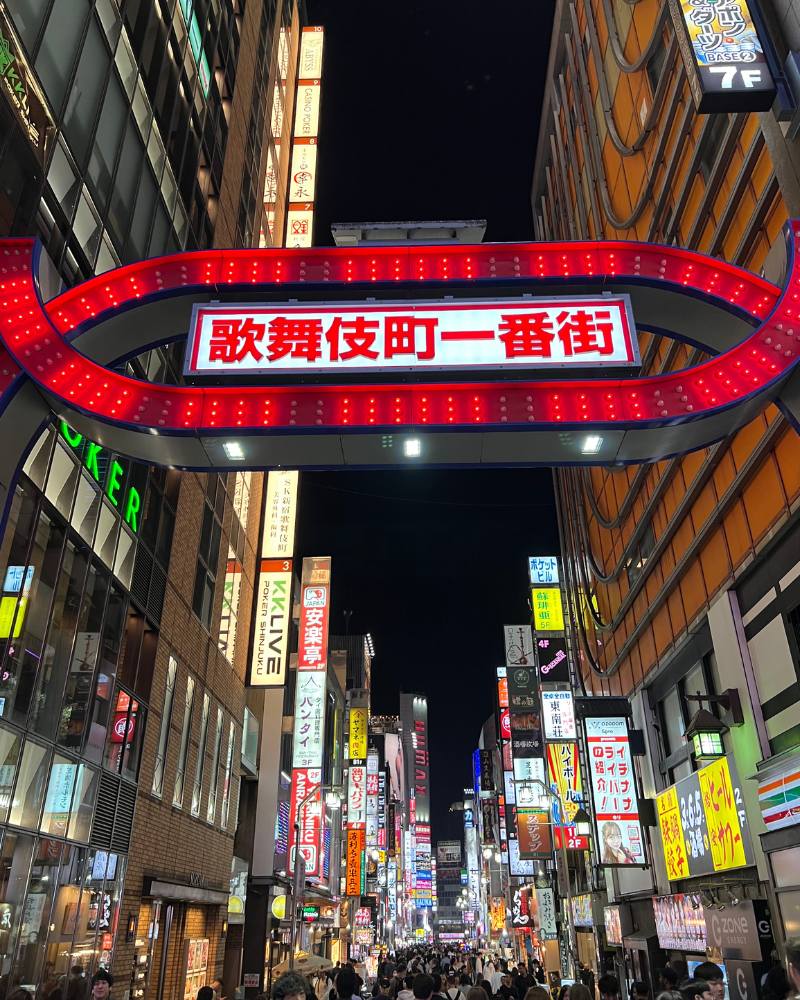
We bar-hopped, drinking ice-cold beers and shots of sake to get us in the mood for karaoke. There’s really nowhere else but Kabukicho, one of Japan’s largest entertainment districts, for a karaoke experience, and we sang our hearts out until the small hours.
Day 3: Elevated Escapes – Skytree, Art, and Hidden Corners
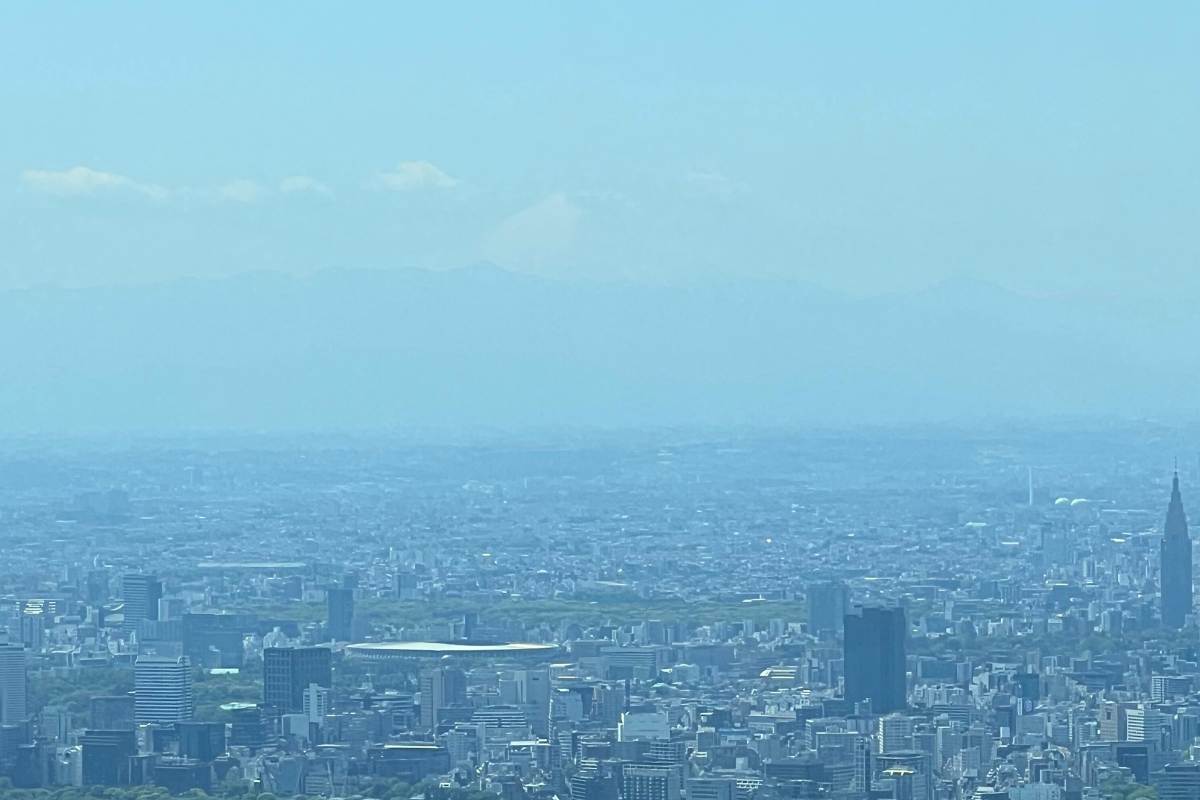
Our final day started with an early visit to Tokyo Skytree. A classic, yes, but one the AI planner suggested at a less crowded time slot. Buying our tickets ahead meant we could skip the line, go straight up 451.2 meters to the viewing levels and soak in the spectacular panoramic views. We were fortunate to have a clear day and were able to make out Mt Fuji’s majestic peak in the distance, which was an unexpected bonus.
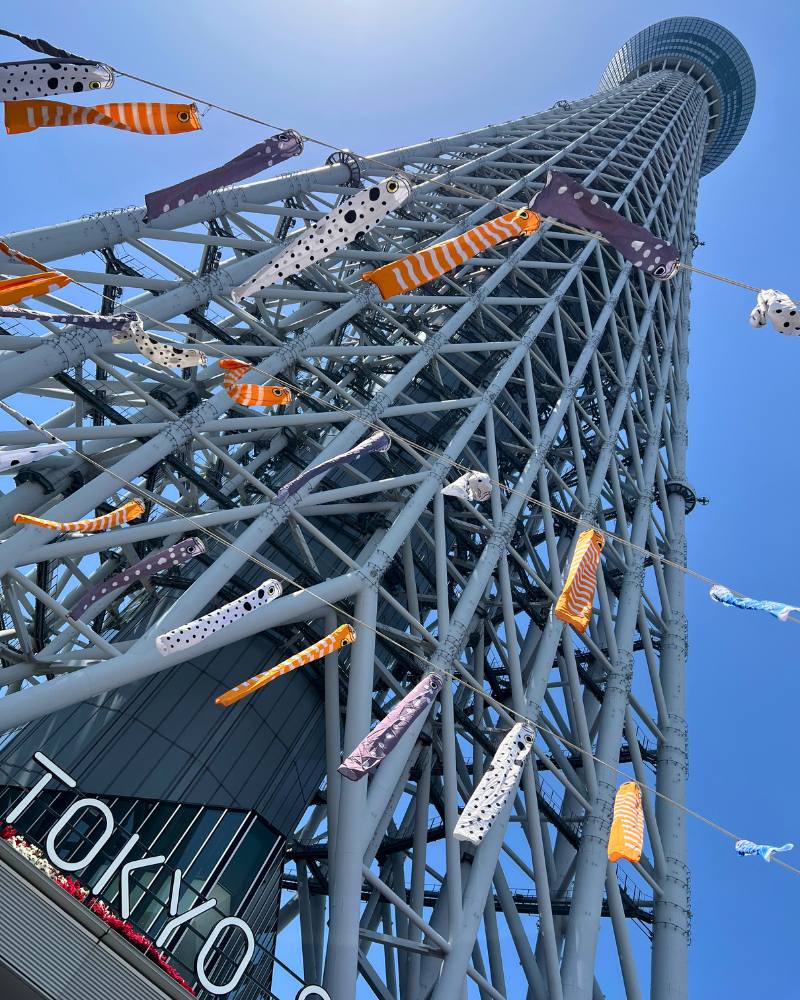
After we came back down to earth, we took a scenic stroll along the cherry blossom-lined Sumida River to Senso-ji, an ancient Buddhist temple dedicated to Kannon, the bodhisattva of compassion. It was a time of zen and a chance to reflect on our incredible time in Tokyo.
The Future of Tokyo Travel, Today
This itinerary wasn’t crafted by guesswork. It was shaped with intention and powered by Booking.com’s AI. Visiting a place like Tokyo can be overwhelming as there is just so much to see. Using the available tech enabled me to personalise my travel experience and maximise my 3 days in Tokyo. I like to think that technology didn’t just help me plan; it helped me discover.
So book your flights, pack your bags and trust the algorithm.
This article was produced in partnership with Booking.com. All photos are the author’s own.